
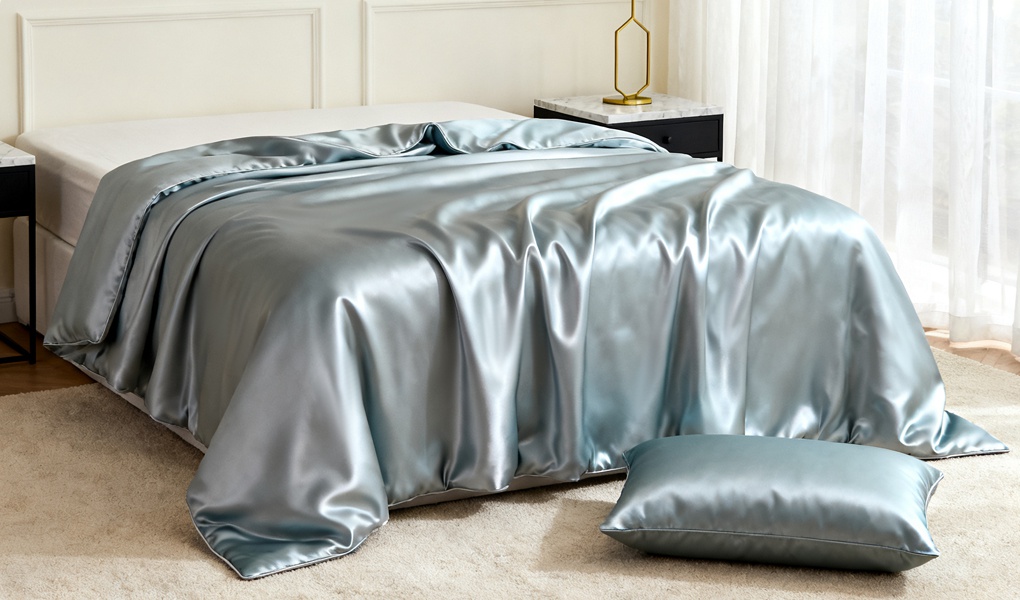
Silk, a noble natural fiber cherished for its softness and elegant appearance, has become a favorite among many. However, the question of whether silk bedding and silk sleepwear pill still lingers. Pilling refers to the formation of small balls or fiber clusters on the fabric’s surface, causing an unattractive and uncomfortable texture. Let’s explore the truth about pilling with silk beddings and silk sleepwear.
Do Silk Beddings Pill?
Pilling is not a common issue with silk beddings. High-quality silk beddings usually use long silk fibers and have a high thread density, making the fabric more durable and less prone to pilling. Additionally, beddings experience less friction during daily use compared to sleepwear, which further reduces the likelihood of pilling. Proper cleaning and maintenance methods are also crucial for silk beddings, avoiding the use of harsh detergents and high-temperature washing to extend their lifespan and reduce pilling.
Do Silk Sleepwear Pill?
In comparison to silk beddings, silk sleepwear is more susceptible to friction during wear, which slightly increases the likelihood of pilling. Particularly in areas of sleepwear that experience frequent rubbing, such as cuffs, collars, and pant legs, fibers may wear down and shed, leading to pilling. To minimize this issue, it is essential to choose silk sleepwear with long silk fibers and high thread density, as these features enhance durability and reduce the risk of pilling. Proper cleaning methods and gentle wear are also essential in reducing fiber wear and pilling.

Preventing and Treating Silk Pilling:
- Hand Wash: For both silk beddings and silk sleepwear, it is recommended to hand wash instead of machine washing. Gently agitate the fabric in cold water using specialized silk detergent. Avoid excessive stirring or rubbing to prevent fiber damage.
- Wash Separately: Avoid washing silk with rougher fabrics to reduce friction.
- Use Cold Water: Opt for cold water washing and ensure the water temperature remains below 30 degrees Celsius to protect silk fibers.
- Iron on the Reverse: When ironing silk garments, turn them inside out and use low heat, avoiding direct contact with the fabric’s surface.
- Avoid Rubbing: Minimize frequent rubbing while wearing silk sleepwear, especially in areas prone to pilling.
- Proper Storage: Fold dry silk beddings and sleepwear and avoid friction and compression during storage.
In conclusion, with proper usage and care, pilling with silk beddings and silk sleepwear can be significantly reduced or even avoided. Choosing silk products with long fibers and high thread density, employing correct cleaning methods, and gentle wear all contribute to extending the lifespan of silk products and maintaining enduring beauty and comfort. When purchasing silk products, consider well-known brands with guaranteed quality, investing in high-quality silk to enjoy long-lasting clothing, comfortable sleep, and an elegant lifestyle.