

Silk, known for its luxurious feel and timeless elegance, is a sought-after fabric for various applications. However, selecting high-quality silk can be a daunting task without proper guidance. In this ultimate guide, we will provide valuable tips to help you choose premium silk fabric that meets your expectations and ensures a superior and gratifying experience.
Consider the Silk Type: Silk comes in various types, each with its own unique characteristics. Mulberry silk, obtained from silkworms fed on mulberry leaves, is highly regarded for its superior quality, lustrous appearance, and excellent durability. Other silk types, such as Charmeuse and Crepe de Chine, offer distinct textures and drapes. Understanding the different silk types will assist you in selecting the one that suits your desired look and purpose.
Evaluate the Fiber Quality: The quality of silk fibers greatly impacts the overall quality of the fabric. Look for long, fine, and uniform silk fibers, as these result in a smoother, more luxurious fabric. High-quality silk should have a soft and supple touch and exhibit minimal irregularities or inconsistencies in the fiber structure.
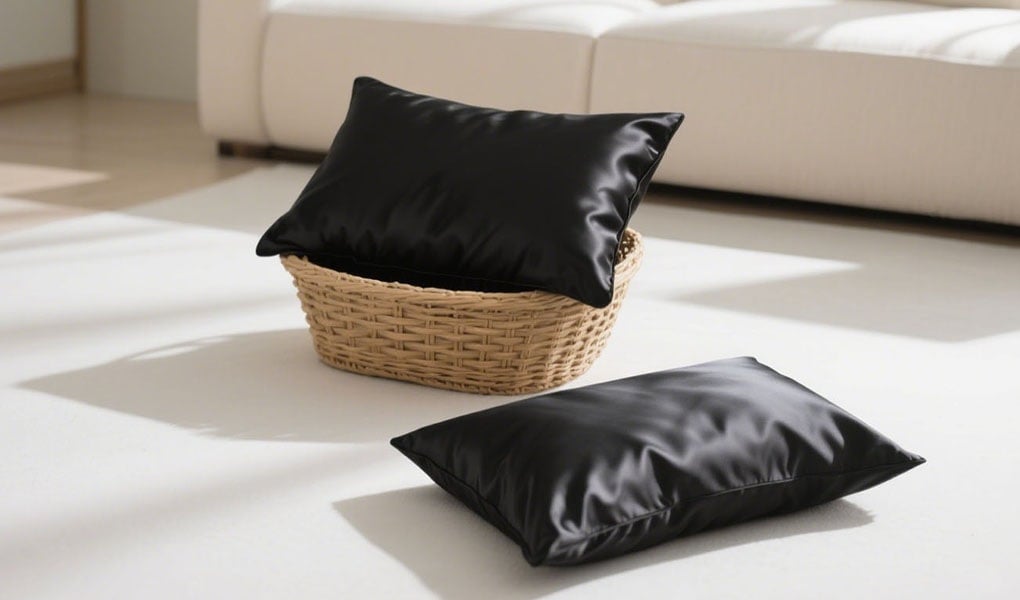
Assess the Weave Type: The weave type affects the silk fabric’s texture, strength, and drape. Satin weave offers a smooth, glossy surface, while twill weave provides a characteristic diagonal pattern and enhanced durability. Plain weave, on the other hand, offers a lightweight and breathable option. Consider your desired aesthetic and functional requirements to choose the most suitable weave type for your project.
Examine the Weight and Thickness: Silk fabrics come in various weights and thicknesses, ranging from lightweight and sheer to heavy and substantial. Determine the intended use of the fabric and select an appropriate weight accordingly. Delicate garments like scarves and blouses may require lighter weights, while draperies or upholstery may demand heavier fabrics.
Inspect the Color and Dyeing Process: Premium silk fabric should exhibit vibrant and consistent colors. Examine the fabric under different lighting conditions to ensure colorfastness and absence of fading. Inquire about the dyeing process used, as high-quality silk is often dyed using environmentally friendly and non-toxic dyes that maintain the fabric’s integrity and longevity.
Seek Certifications and Authenticity: Reputable silk manufacturers often obtain certifications that guarantee the authenticity and quality of their products. Look for certifications like OEKO-TEX® Standard 100 or GOTS (Global Organic Textile Standard) to ensure that the silk fabric is free from harmful substances and produced sustainably.
Consider the Supplier’s Reputation: Choose a trusted supplier or brand with a reputation for delivering high-quality silk. Read customer reviews and seek recommendations to ensure reliability and customer satisfaction.
Selecting high-quality silk fabric requires careful consideration of factors such as silk type, fiber quality, weave type, weight, dyeing process, certifications, and supplier reputation. By following the tips outlined in this ultimate guide, you can confidently choose premium silk that fulfills your expectations, resulting in garments, home textiles, or accessories that exude elegance, comfort, and timeless beauty.