
Silk weaving is a time-honored craft that has captivated artisans and enthusiasts for centuries. The intricate process of weaving silk involves combining threads to create exquisite fabrics. In this article, we will delve into the world of silk weaving, exploring the influence of different weaving techniques on silk and the unique characteristics they impart to the finished fabric.
Plain Weave: Plain weave, also known as tabby weave, is the simplest and most common weaving technique. It involves interlacing the weft threads over and under the warp threads in a regular pattern. Plain weave produces a balanced fabric with good durability and breathability. Silk fabrics woven in plain weave have a smooth and uniform appearance, making them versatile for various applications.
Twill Weave: Twill weave is characterized by diagonal lines or ridges formed by weaving the weft threads over a greater number of warp threads. This weaving technique creates a fabric with a distinctive drape and texture. Silk fabrics woven in twill weave are known for their lustrous sheen and excellent draping qualities. The diagonal structure of twill weave makes the fabric more durable and resistant to wrinkles.
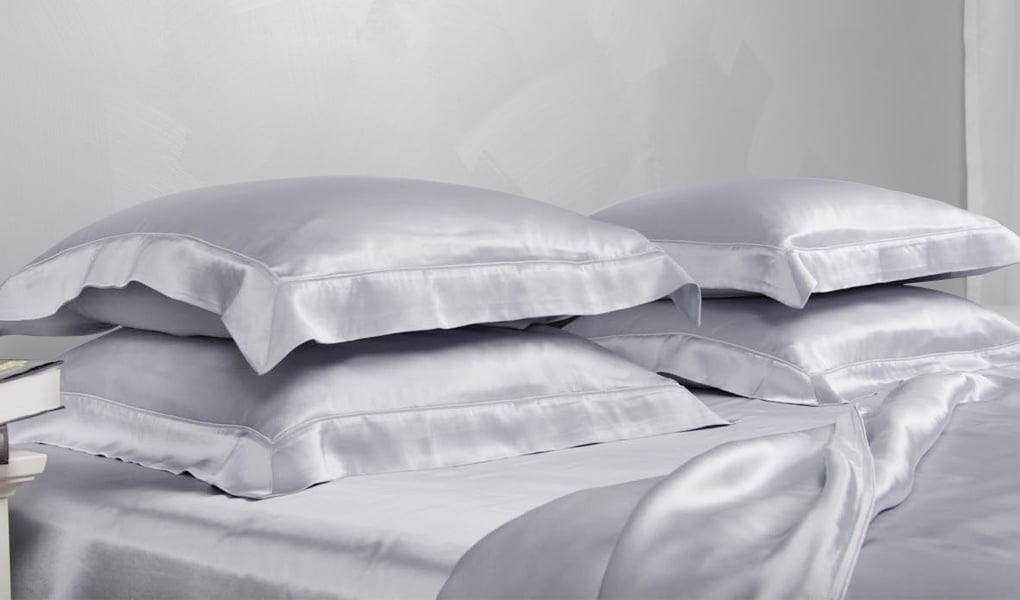
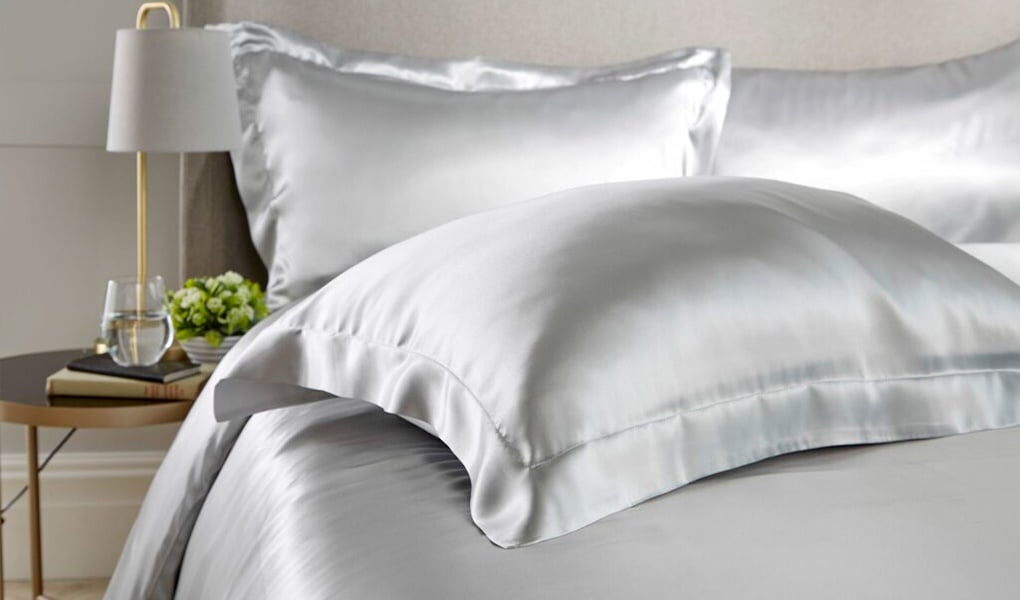
Satin Weave: Satin weave is renowned for its luxurious and smooth surface. It is created by floating the weft threads over several warp threads before passing under one. This weaving technique produces a fabric with a glossy and reflective appearance. Silk fabrics woven in satin weave have a lustrous sheen and a sensuous feel against the skin. Satin weave gives silk a drape that is fluid and elegant, making it ideal for formal attire and luxurious bedding.
Jacquard Weave: Jacquard weaving is a complex technique that allows for intricate and detailed patterns to be woven into the fabric. It utilizes a specialized loom with individual control over each warp thread. Silk fabrics woven in jacquard weave can feature intricate motifs, designs, and even pictorial representations. Jacquard weave adds a dimension of artistry and sophistication to silk fabrics, making them highly desirable for decorative purposes.
Dobby Weave: Dobby weaving is characterized by small geometric patterns or textured designs created by selectively raising or lowering warp threads. This technique adds depth and visual interest to silk fabrics. Dobby weave is often used to create silk fabrics with unique textures, such as jacquard-like patterns or small repetitive designs.
The art of silk weaving encompasses various techniques that each impart distinct qualities to the fabric. Whether it is the balanced simplicity of plain weave, the rich texture of twill weave, the luxurious sheen of satin weave, the intricate designs of jacquard weave, or the subtle patterns of dobby weave, each technique showcases the versatility and beauty of silk. Mastering the different weaving techniques allows artisans to create silk fabrics that cater to different aesthetics, applications, and personal preferences, making silk weaving a truly remarkable craft.