
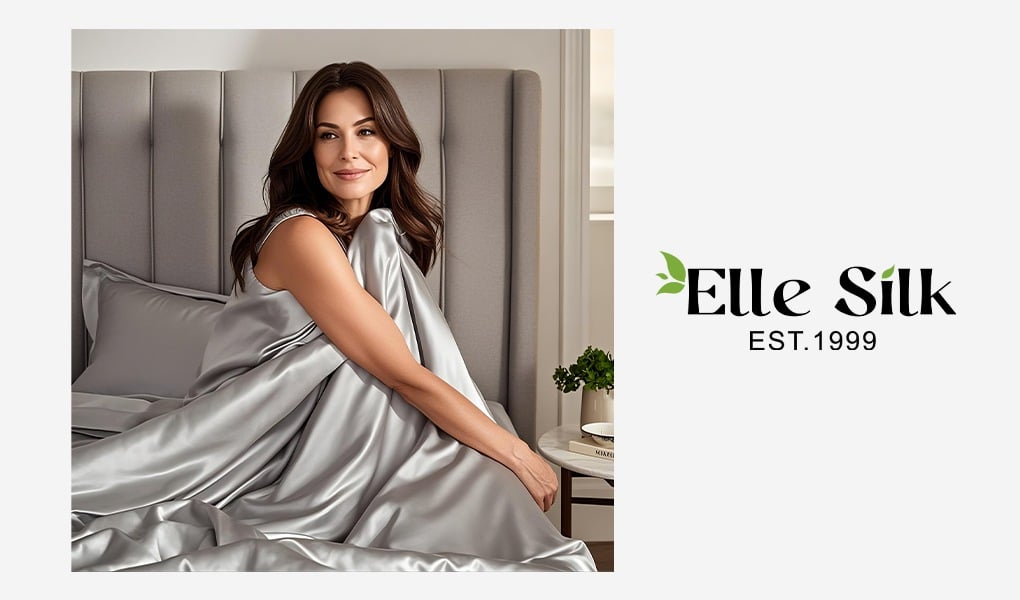
Silk, an ancient and cherished textile from China, has captivated people’s hearts for ages with its luxurious allure and soft touch. Its smoothness, elegance, and nobility have made it a treasure in the realms of fashion and home decor. But have you ever delved into the diverse types of silk and their disparities in terms of texture, characteristics, and applications? In this blog post, we’re delving into the enigma of four silk varieties – Mulberry Silk, Tussah Silk, Cupro Silk, and Acetate Silk – inviting you to explore the diversity within the realm of silk.
Mulberry Silk is the most common and widely used type of silk. Derived from the cocoons of silkworm pupae, it boasts a soft, smooth texture and a natural sheen. Its thermal insulation and breathability set it apart, making it suitable for both summer and winter wear. Mulberry Silk is ideal for crafting silk clothing, silk bedding, and silk accessories, cherished for its gentle and caressing touch.
2.Tussah Silk:
Also known as wild silk, Tussah Silk originates from the cocoons of wild silkworms. Compared to Mulberry Silk, Tussah Silk fibers are coarser, resulting in a slightly rougher texture with a subtly granular surface. Tussah Silk exhibits natural shades like pale yellow and light brown, offering a touch of authenticity. With enhanced durability and resistance, it finds its niche in outdoor apparel, home decorations, and handicrafts.
3.Cupro Silk:
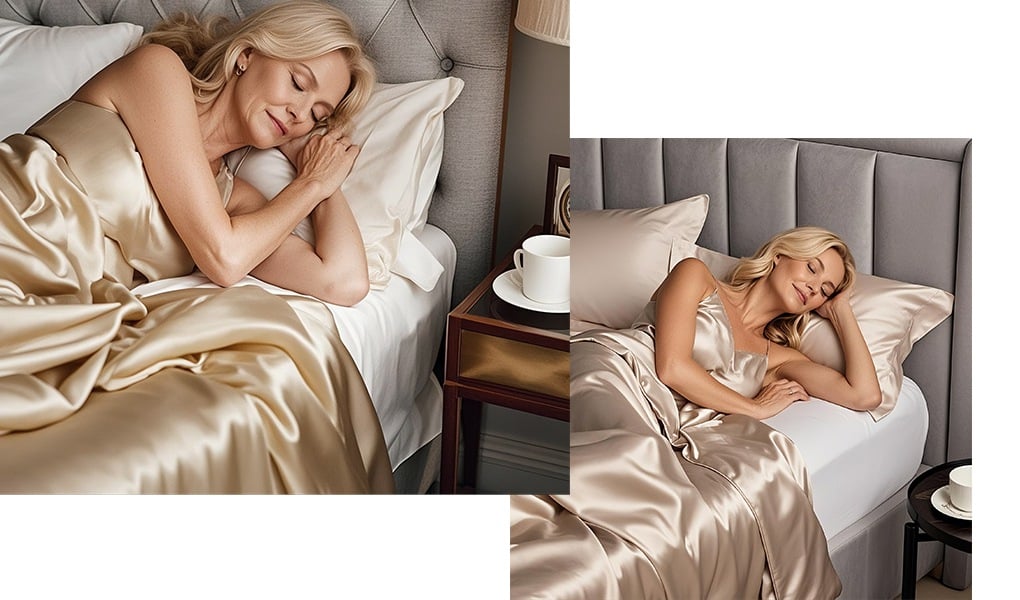
Cupro Silk is a type of man-made silk derived from byproducts of cotton production. Its supple texture resembles real silk, featuring improved breathability and moisture absorption. Cupro Silk also boasts color retention, making it suitable for crafting summer garments and lingerie. It serves as an example of sustainable textile production by utilizing cotton waste to minimize resource wastage.
4.Acetate Silk:
Acetate Silk, a synthetic silk derived from natural cellulose, offers a glossy surface and opulent appearance akin to genuine silk. Acetate Silk is characterized by its elegant appearance and moderate elasticity, though it’s relatively prone to wrinkling. It’s commonly used for creating high-end fashion, evening gowns, and home decor.
In summary, different silk varieties exhibit distinct textures, characteristics, and uses. Mulberry Silk is soft and versatile, Tussah Silk is rugged and enduring, Cupro Silk prioritizes breathability and sustainability, and Acetate Silk exudes opulence and is fit for high-fashion applications. Regardless of your preference, each silk type showcases its unique qualities, catering to diverse needs and styles.