
Selecting the right size for kids’ sleepwear is crucial, impacting both comfort and quality of sleep. This article provides a comprehensive guide on choosing kids sleepwear sizes, covering measurement methods, the range of sizes (from 12M to 14), and practical advice for parents.
1. Measurement Methods:
- Height Measurement: Use a ruler or a growth chart, ensuring the child stands straight, for an easy measurement of height.
- Chest Measurement: Employ a soft measuring tape for the widest part of the chest, ensuring it fits snugly but not too tight.
- Waist Measurement: Measure around the narrowest part of the child’s waist.
- Hip Measurement: Measure the fullest part of the hips for an accurate size.
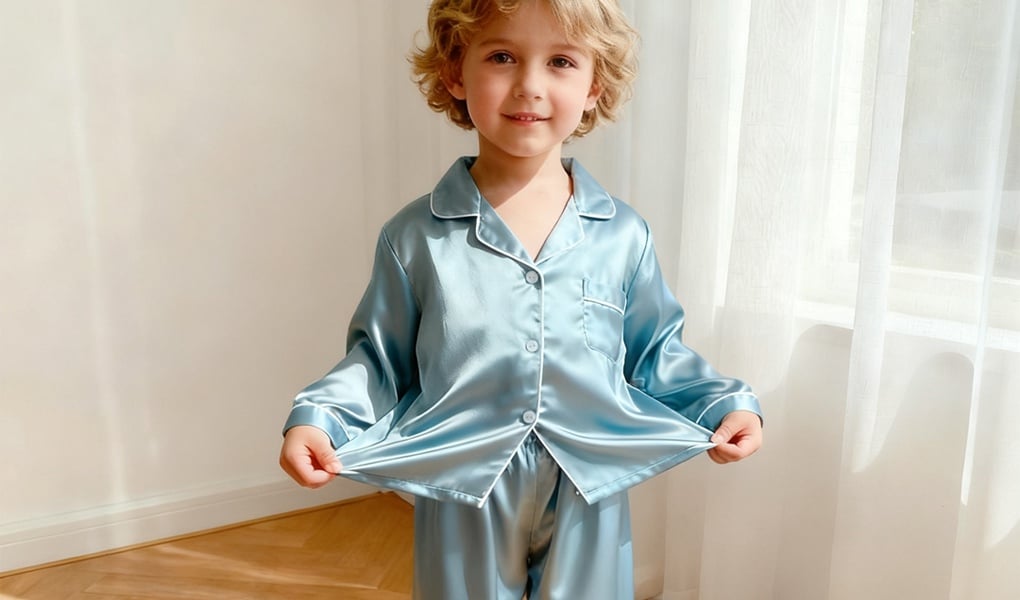
2. Children’s Size Range:
- 12M (12 months): Suitable for babies with a height of 28-30 inches (71-76 cm). At this stage, infants experience rapid growth, emphasizing comfort and adequate room for movement.
- 2T (2 years): Designed for toddlers with a height of 33-35 inches (84-89 cm). Consider loose-fitting designs to accommodate the energetic nature of toddlers.
- 4T (4 years): Tailored for toddlers with a height of 38-40 inches (97-102 cm). Designs should account for a child’s activity level and growing independence.
- 6X (6/6X): Designed for children with a height of 45-47 inches (114-119 cm). Prioritize simple and easy-to-wear styles as children develop self-dressing skills.
- 8-10: Suited for children with a height of 50-54 inches (127-137 cm). Consider introducing fun patterns and colors to spark children’s interest in dressing themselves.
- 12-14: Catered to children with a height of 58-62 inches (147-157 cm). At this age, children often express more individuality in their clothing choices, allowing for diverse styles.
3. Considerations When Choosing:
- Compare Size Charts: Brands may have different sizing, so check the brand’s size chart and compare it against the child’s actual measurements.
- Seasonal and Material Considerations: Account for seasonal changes by selecting appropriate materials and thickness. Light, breathable fabrics work well for summer, while warmer options are suitable for winter.
- Activity Space: Ensure the chosen size provides enough room for the child to move freely, balancing comfort and the ability for the child to move around during sleep.
Choosing the right size for kids sleepwear involves careful measurements and consideration of the child’s growth stage and personal preferences. The right size not only ensures a comfortable sleep environment but also contributes to a solid foundation for a child’s healthy development.