
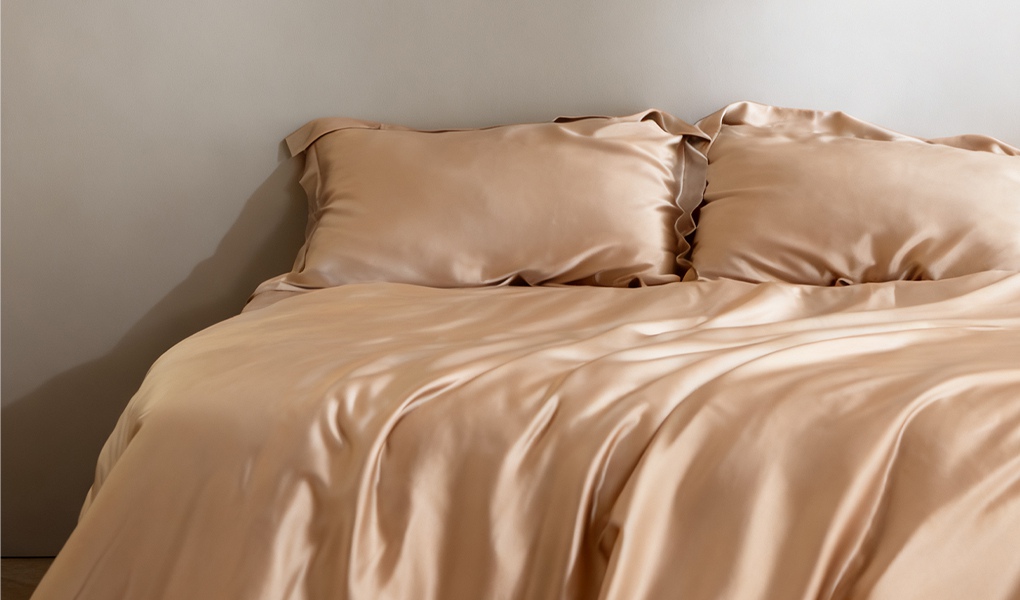
Silk, known for its luxurious feel and exquisite texture, has been prized for centuries. When it comes to purchasing silk sheets, understanding how they are graded is essential for ensuring the highest quality and value. In this article, we’ll delve into the intricacies of silk grades and its correlation with quality.
1. Silk Grading Basics
Silk grades is primarily based on the quality of the silk fibers used in the production process. The most common grading system for silk is the “momme” (mm) weight, which refers to the weight of silk fabric per square meter. Generally, the higher the momme weight, the higher the quality of the silk.
2. Understanding Momme Weight
Momme weight is a crucial factor in determining the quality and durability of silk sheets. Silk with a higher momme weight is thicker, more durable, and typically has a smoother texture. Common momme weights for silk sheets range from 12 mm to 25 mm, with higher weights indicating superior quality.
3. Grades of Silk
Silk is further graded based on the source of the silk fibers and the manufacturing process. The most renowned and sought-after silk is Mulberry silk, which comes from silkworms fed exclusively on Mulberry leaves. Mulberry silk is known for its exceptional quality, strength, and lustrous appearance. Other grades of silk include Tussah silk, Eri silk, and Wild silk, each with its unique characteristics and properties.

4. Mulberry Silk: The Gold Standard
Mulberry silk is widely regarded as the highest quality silk due to its fine fibers, uniform texture, and superior sheen. It is produced through a meticulous process that involves nurturing silkworms on Mulberry trees, resulting in silk threads of unparalleled purity and strength. Sheets made from Mulberry silk are incredibly soft, breathable, and hypoallergenic, making them ideal for sensitive skin.
5. Factors Affecting Silk Quality
In addition to silk grading, several other factors influence the overall quality of silk sheets. These include the manufacturing process, weave type, and finishing techniques. Satin weave, for example, produces a smooth, glossy surface, while charmeuse weave creates a soft, drapey fabric. Finishing processes such as mercerization and sandwashing can further enhance the silk’s texture and appearance.
6. Ensuring Quality: Tips for Buyers
When purchasing silk sheets, it’s essential to consider not only the momme weight but also the grade of silk and manufacturing standards. Look for reputable brands that prioritize quality control and ethical sourcing practices. Additionally, feel the fabric and inspect the seams for any irregularities or flaws. Investing in high-quality silk sheets will ensure years of luxurious comfort and satisfaction.
7. Conclusion
In conclusion, understanding how silk sheets are graded is essential for making informed purchasing decisions. By familiarizing yourself with silk grades systems and quality indicators such as momme weight and silk grade, you can select silk sheets that offer the ultimate combination of luxury, comfort, and longevity. Whether you opt for Mulberry silk or other grades of silk, investing in high-quality silk sheets is a worthwhile investment in your sleep and well-being.