
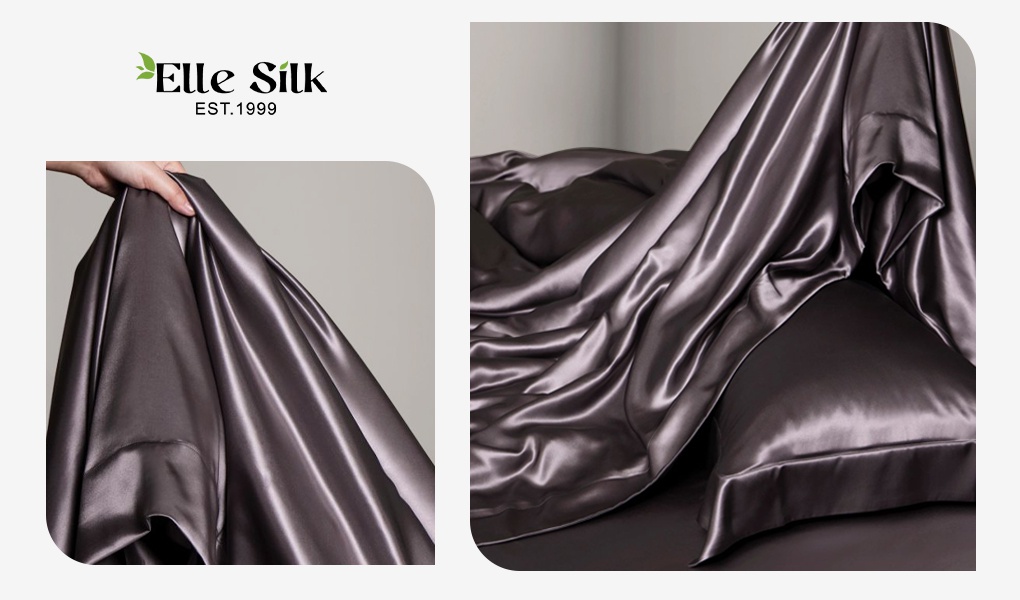
Sleep quality is closely linked to overall health. Approximately 30% to 40% of the global population experiences sleep disturbances at some point in their lives, making it essential to improve sleep environments. In recent years, silk sheets have gained attention for their comfort and temperature regulation properties. This article will explore how silk sheets can enhance sleep quality, backed by scientific data.
1. Temperature Regulation: Natural Adaptation Supported by Science
One of the most notable features of silk sheets is their ability to regulate temperature effectively. A study published in the Journal of Textile Research indicates that silk fibers have a low thermal conductivity of 0.12 W/m·K, significantly lower than cotton or polyester. This means that silk can provide stable temperature regulation under varying environmental conditions.
Silk’s structure, composed of thousands of tiny filament fibers, creates numerous microscopic air pockets, enabling it to both keep cool in warm conditions and provide warmth in cooler ones. Research shows that silk sheets can quickly dissipate body heat during hot nights, reducing the number of times you wake up due to overheating. Conversely, during colder nights, silk’s lightweight and soft characteristics help maintain warmth without adding extra bulk.
2. Moisture Absorption and Breathability: Data-Driven Insights
Silk also boasts remarkable moisture-absorbing properties, capable of absorbing over 30% of its weight in moisture, a figure significantly higher than that of many other fibers. For comparison, cotton absorbs about 25%, while polyester’s moisture absorption is almost negligible (approximately 0.4%). This means silk sheets can effectively absorb excess sweat during the night, keeping the skin dry.
Nighttime sweating can interrupt sleep, and silk’s moisture-wicking ability helps keep the body comfortable. A 2019 study published in Textile Science further supports this, showing that silk fibers have a significantly faster moisture transfer rate compared to cotton and synthetic fibers, enabling better regulation of skin moisture levels and enhancing overall sleep experience.
3. Impact on Skin: Reducing Friction and Ideal for Sensitive Skin
Research in dermatology indicates that silk fibers have a highly smooth surface, with a friction coefficient of only 0.35, compared to cotton’s 0.55. This quality makes silk sheets gentler on the skin, especially beneficial for individuals with sensitive skin or skin conditions.
Nighttime friction can exacerbate skin discomfort, particularly in warmer conditions where sweating occurs. Silk sheets reduce this friction significantly, providing a softer contact experience. Furthermore, the sericin protein found in silk has moisturizing properties that help maintain skin hydration, reducing dryness and potential wrinkle formation.
4. Allergy-Friendly: The Low-Allergen Nature of Silk
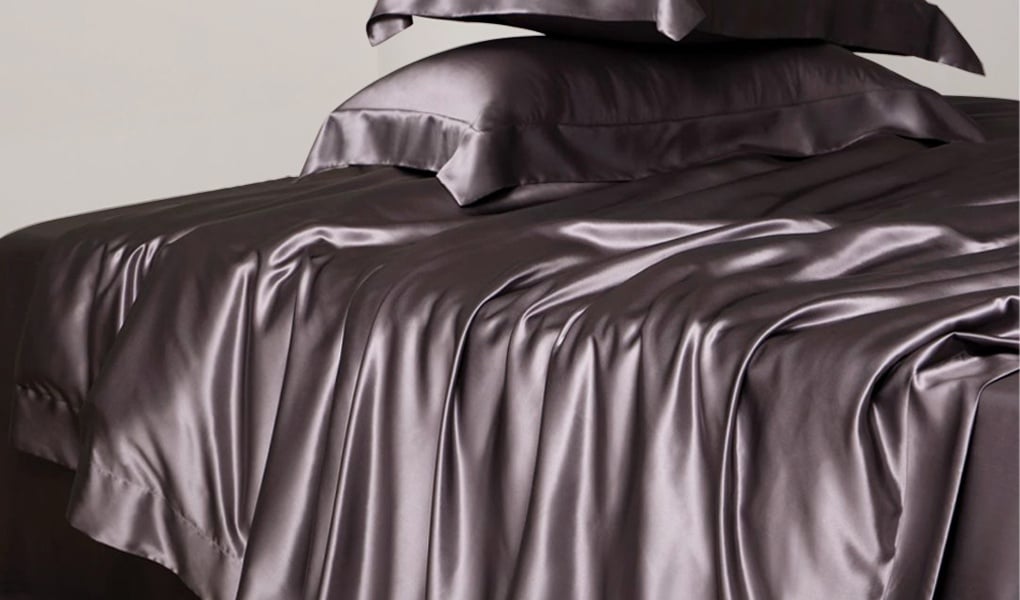
Silk’s exceptional qualities extend to its low allergenicity, making it an excellent choice for allergy sufferers. Research in allergy and immunology suggests that silk fibers naturally resist dust mites. Compared to materials like cotton and polyester, silk’s structure and composition inhibit dust mite and bacteria growth. For those with asthma or dust mite sensitivities, silk sheets can help reduce nighttime respiratory discomfort.
Additionally, silk’s resistance to dust and airborne particles contributes to a cleaner and healthier sleep environment, which is particularly advantageous for individuals prone to allergies.
5. Longevity and Environmental Considerations: The Natural Advantages of Silk
While silk sheets may come with a higher initial price, their durability and environmental benefits warrant attention. According to materials science studies, silk fibers can maintain their integrity and quality for years with proper care. This longevity makes silk sheets a sustainable choice, reducing the need for frequent replacements and the associated resource waste.
Importantly, silk is a biodegradable natural fiber. Unlike synthetic materials, silk breaks down naturally in the environment without leaving harmful chemical residues. According to data from textile environmental organizations, consumers who choose natural fibers like silk can significantly reduce their household carbon footprint.
Conclusion
The scientific advantages of silk sheets in improving sleep environments are clear. Their exceptional temperature regulation, moisture absorption, skin-friendly properties, and low allergenicity make silk sheets a valuable addition for anyone looking to enhance their sleep quality. While they cannot directly address medical conditions, their ability to improve overall sleep environments can help reduce disruptions caused by discomfort. For those seeking to elevate their sleep experience, silk sheets are a scientifically sound, environmentally friendly, and effective choice.