
Tencel and silk are two commonly encountered fibers in the textile domain, sharing some similarities yet distinguished by marked differences. We will delve into whether Tencel can replace silk, aiming to better comprehend their traits and applications.
Similarities:
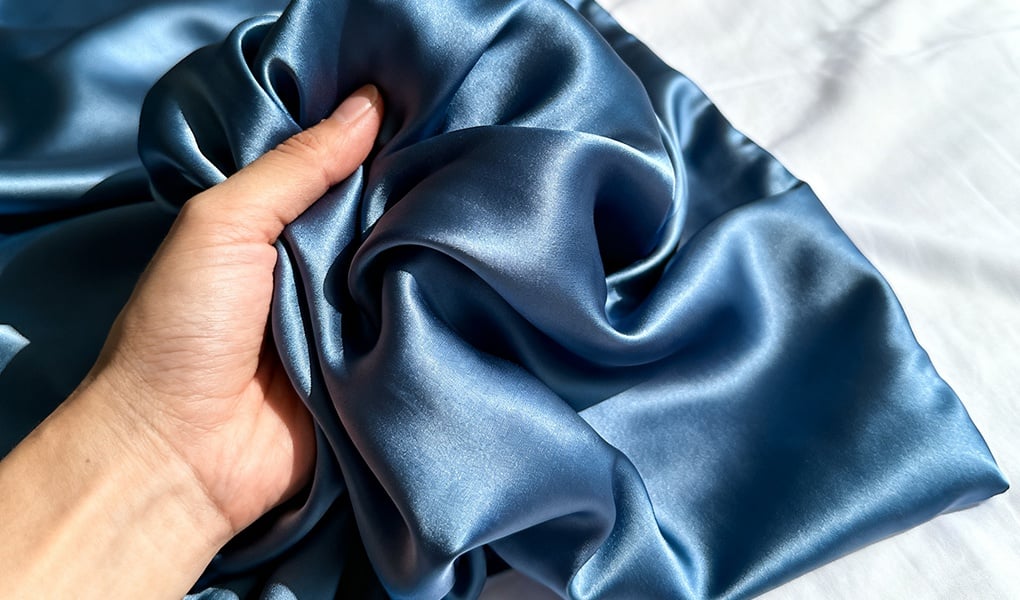
Tencel and silk are esteemed fibers known for imparting distinct qualities to products. Both exhibit characteristics of softness and smoothness, rendering them well-suited for crafting high-quality garments and bedding. Additionally, both materials excel in moisture retention, aiding in temperature regulation for comfortable experiences across seasons. They also possess a certain degree of sheen, elevating the perceived quality of fabrics.
Differences:
1.Source Disparity: Tencel generally originates from natural wood pulp, chemically processed to form a man-made fiber. In contrast, silk is obtained from the secretion of silk glands in silkworm pupae, constituting a natural fiber. This unique origin contributes to silk’s heightened sense of luxury and distinctiveness.
2.Texture: Silk typically surpasses Tencel in terms of softness and smoothness, yielding a more comfortable feel against the skin. The finer fiber structure of silk enhances breathability, making it often deemed a more comfortable choice.
3.Cost Consideration: Due to the intricacy of its manufacturing process and the scarcity of raw materials, silk is generally more expensive than Tencel. Tencel, therefore, becomes a more economical substitute in certain scenarios.
4.Application Areas: Owing to its elegance and comfort, silk finds broad application in high-end fashion and bedding. Tencel, on the other hand, is frequently employed in casual wear and home textiles.
Can Tencel Substitute Silk?
In certain contexts, Tencel and silk can serve as substitutes, particularly in everyday casual wear and home textiles. Tencel’s relatively affordable price point, coupled with its softness and comfort attributes, makes it a feasible choice. However, when aiming for elevated quality, luxury, and comfort, silk’s place remains unchallenged.
Conclusion:
Tencel and silk each possess unique attributes that contribute to their value in distinct applications. While Tencel may replace silk in some scenarios, silk’s irreplaceable status endures when seeking superior quality and luxurious experiences. The incomparable luxury, skin-friendliness, breathability, and unparalleled tactile sensations that silk offers set it apart in the textile realm. Despite the availability of various fiber options in the market, silk retains its exceptional position in the realms of luxury and comfort, remaining irreplaceable by other materials.