
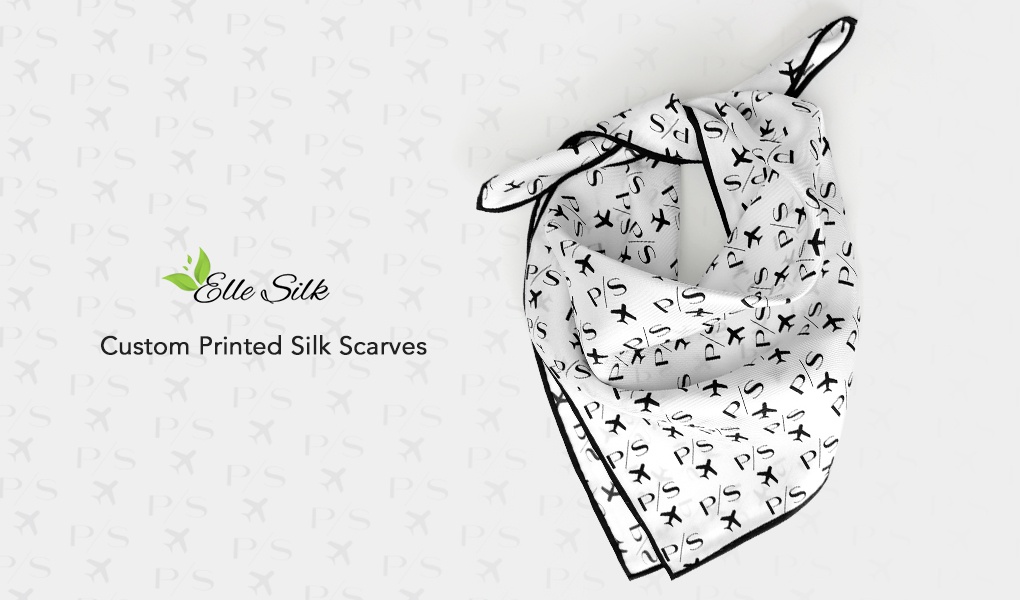
A custom scarf is not just an accessory; it’s a powerful way for a company to showcase its brand identity. But how can you make this small piece of fabric stand out, combining aesthetics with corporate values? Let’s explore the key aspects, from design principles to pattern arrangements, to help your custom corporate logo scarf become both stylish and meaningful.
1. The Importance of Custom Scarves
A thoughtfully designed scarf can quickly catch the eye. It’s not only an extension of your brand image but also a versatile tool for promoting your company’s culture. Here’s why custom scarves matter:
- Enhancing Brand Recognition: A unique design helps people instantly associate the scarf with your brand.
- Versatility for Various Occasions: Whether for employee wear, corporate gifts, or retail items, scarves are practical and multifunctional.
- Conveying Corporate Culture: A well-designed scarf showcases your company’s values and personality visually.
Designing a custom logo scarf is not just about functionality; it’s about making your company’s identity visible and memorable.
2. Key Considerations Before Starting
Before diving into the design process, it’s essential to understand your company’s characteristics, brand style, target audience, and intended use. These factors ensure your scarf design aligns perfectly with your objectives.
1. Corporate Culture
Your scarf design should visually represent your company’s core values. For example:
- Traditional and Established Companies: Use classic, symmetrical patterns, crests, or vintage elements to convey a sense of history and stability.
- Innovative Companies: Opt for modern designs with geometric shapes, dynamic lines, or bright colors to express creativity and progress.
- Eco-Friendly Companies: Incorporate natural elements like leaves, flowers, or waves to emphasize sustainability and environmental responsibility.
2. Brand Style
The overall tone of your brand should guide the scarf’s aesthetic.
- Luxury Brands: Go for simple, elegant designs, such as dark tones, metallic accents, or embossed patterns, to exude sophistication.
- Youthful and Dynamic Brands: Use bold colors and playful patterns like gradients or waves to convey energy and creativity.
- Approachable and Friendly Brands: Choose soft, pastel tones, paired with fun or casual patterns, to make the design feel relatable and warm.
3. Target Audience
Understanding who will use or wear the scarf is crucial to creating a design that resonates.
- High-End Clients: They value refined, exclusive designs with personalized touches.
- General Consumers: Focus on fashion trends and practicality, such as trendy colors and versatile patterns.
- Employees: Prioritize uniformity and simplicity, ensuring the scarf complements their daily outfits.
4. Intended Use
The purpose of the scarf heavily influences the design approach.
- Corporate Gifts: The design should be formal and elegant, with a clear display of the company’s logo and professionalism.
- Employee Accessories: Patterns should align with corporate colors and be easy to match with various uniforms.
- Retail Products or Souvenirs: Aim for eye-catching designs with trendy or culturally relevant elements to appeal to a broader audience.

3. Common Logo Pattern Arrangements
The way your logo is incorporated into the scarf’s design plays a major role in its overall look and feel. Here are some popular logo arrangement techniques:
1. Regular Arrangements
- Grid Pattern: Logos are evenly spaced in a grid layout, giving the design a clean and organized appearance.
- Full-Surface Pattern: The logo is repeated across the entire scarf, creating a seamless, continuous look.
- Linear Pattern: Logos are arranged in straight lines for a simple, modern feel.
2. Freeform Arrangements
- Random Distribution: Logos are scattered in varying sizes and positions, creating a dynamic and playful vibe.
- Layered Effect: Logos overlap at different angles and transparencies, adding depth and complexity.
3. Symmetrical Arrangements
- Radial Symmetry: Logos are arranged in a circular or starburst pattern from the center, creating a focal point.
- Axial Symmetry: Logos are placed along a central axis, giving a sense of balance and harmony.
4. Edge-Centric Designs
- Border Patterns: Logos are placed around the edges of the scarf, framing the design.
- Corner Details: Logos are concentrated in the corners for subtle yet impactful detailing.
5. Integrated Patterns
- Combined Designs: Logos are blended with geometric shapes, floral elements, or other motifs for a unique and artistic look.
- Gradient Effects: Logos are arranged in a gradient of size or color, creating a smooth transition from one part of the scarf to another.
6. Standalone Displays
- Central Focus: A single large logo in the center serves as a bold statement.
- Repetitive Simplicity: A single logo is repeated, ensuring the brand remains the centerpiece.
4. Design Tips for a Winning Scarf
To make your custom logo scarf design stand out, keep these tips in mind:
- Understand Your Brand and Audience: Ensure the design reflects your company’s culture and resonates with the target audience.
- Thoughtful Color Choices: Base the palette on your corporate colors, while considering the emotional impact of colors (e.g., blue conveys trust, red suggests passion).
- Maintain Balance with the Logo: The logo should be prominent but not overpowering. It needs to blend harmoniously with the overall pattern.
- Create Multiple Versions: Consider designing variations for different purposes, such as employee use, client gifts, or retail offerings, to maximize versatility.
A custom scarf isn’t just a piece of fabric—it’s a brand statement. By carefully balancing creativity with functionality and aligning the design with your company’s values and goals, your scarf can become a unique symbol of your brand’s identity. With the right approach, this simple accessory can leave a lasting impression.