
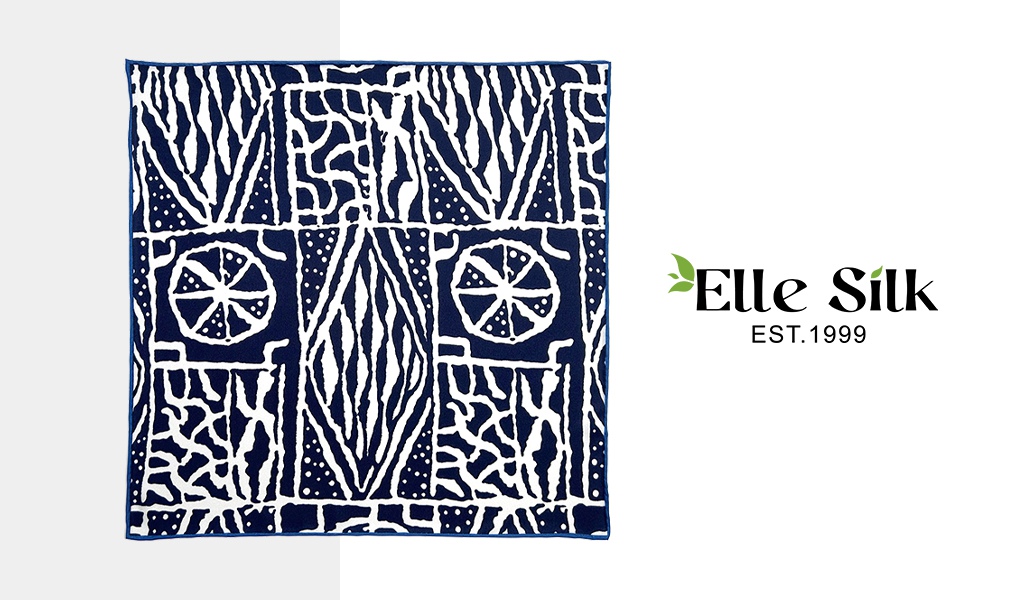
Designing patterns for custom silk scarves offers endless creative possibilities. Whether you’re a professional designer or an enthusiast, here are some valuable tips to help you craft visually appealing and harmonious patterns that will make your silk scarves truly stand out.
- Color Combinations: Selecting the right color palette is essential for a captivating design. Consider the mood and theme you want to convey. Harmonious color combinations, such as complementary or analogous colors, often work well. Experiment with contrasting colors for bold statements or opt for a monochromatic scheme for an elegant and sophisticated look. Remember to consider the skin tones of potential wearers to ensure your colors will complement a variety of individuals.
- Pattern Proportions: The proportions of your pattern play a crucial role in the overall design. Balance is key. Consider the size and shape of the scarf and how the pattern will appear when draped or worn. Large-scale patterns can make a bold statement, while smaller patterns can offer intricate and delicate details. Pay attention to the placement of the pattern on the scarf, ensuring it flows naturally and enhances the scarf’s overall aesthetic.
- Detail Handling: Silk scarves allow for intricate and detailed designs. However, it’s important to strike a balance between complexity and simplicity. Intricate details can add depth and visual interest, but they should not overwhelm the overall design. Consider how the details will translate when printed on the silk fabric. Fine lines and intricate elements may require higher resolution and finer printing techniques to ensure clarity.
- Theme and Inspiration: Having a clear theme or concept can guide your pattern design process. Draw inspiration from various sources, such as nature, art, culture, or personal experiences. Explore different motifs, symbols, or elements that resonate with your theme and incorporate them into your design. Be creative and find unique ways to interpret your inspiration while keeping in mind the desired aesthetic appeal.
- Test and Iterate: It’s important to test your designs before finalizing them. Create mock-ups or digital representations to visualize how the pattern will look on the silk scarf. Consider how the colors, proportions, and details work together. Solicit feedback from peers or potential customers to gain valuable insights and make necessary adjustments. Iteration is key to refining your designs and ensuring they meet your vision.
- Consider Silk Characteristics: Keep in mind that silk has its own unique characteristics, such as its natural luster and soft drape. Design patterns that take advantage of these qualities. Consider how the interplay of light and fabric movement can enhance the visual impact of your design. Experiment with textures, gradients, or subtle shimmer effects to create a visually captivating experience.
- Minimum 300 DPI: When designing patterns for custom silk scarves, ensure that your artwork is created at a minimum resolution of 300 dots per inch (DPI). This high-resolution requirement guarantees sharp and crisp printed results. Silk fabric has a smooth and reflective surface, so a higher DPI ensures that intricate details and fine lines are accurately reproduced on the scarf. Maintaining a minimum of 300 DPI will result in professional-looking patterns with exceptional clarity and precision.
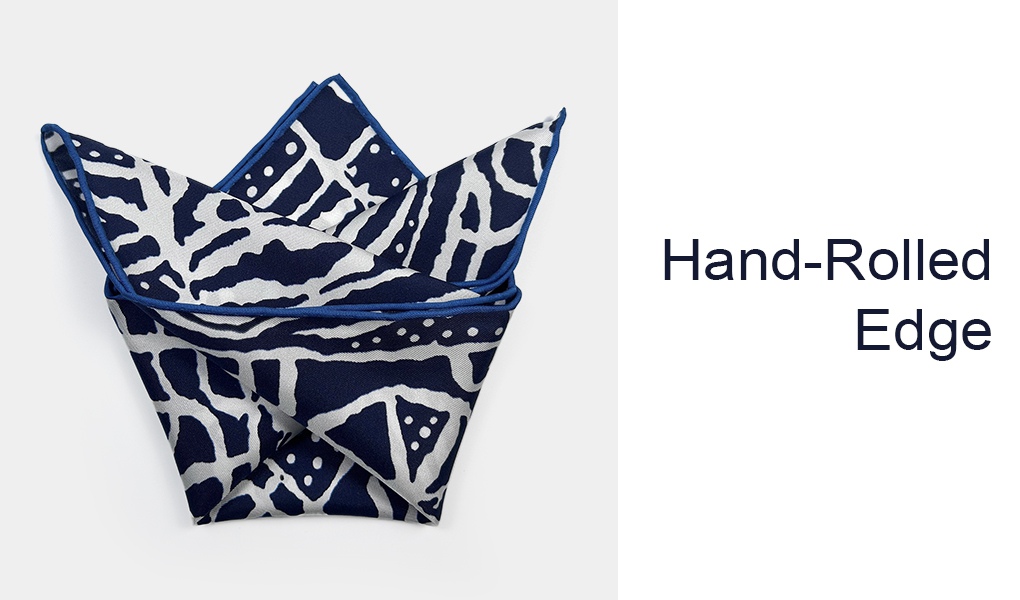
Designing patterns for custom silk scarves allows you to unleash your creativity and create wearable art. By carefully considering color combinations, pattern proportions, detail handling, theme, and silk’s unique characteristics, you can craft stunning designs that will make your silk scarves truly special and captivating. Let your imagination soar and enjoy the process of bringing your artistic vision to life on these luxurious and versatile fashion accessories.