
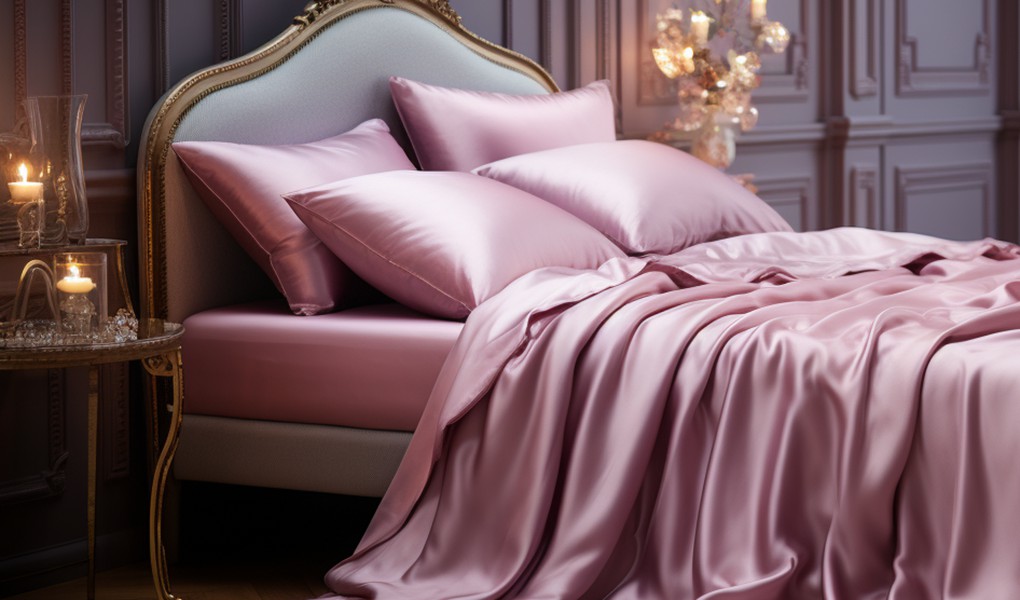
When selecting silk products, Momme weight is often a critical consideration. Beyond determining the fabric’s thickness and weight, Momme weight directly influences the dye adsorption properties of silk, which in turn affects its color saturation and longevity. High-Momme silk, due to its denser fiber structure and higher protein content, demonstrates superior dye retention and more vibrant, enduring colors. This article delves into the impact of Momme weight on silk’s dyeing performance and explores its implications for color fastness in practical applications like silk bedding.
The Fiber Structure of Silk and Dye Adsorption
To understand silk’s dye adsorption capabilities, it is essential to examine its unique fiber composition. Silk fibers consist primarily of fibroin and sericin proteins, which are rich in amino and carboxyl groups. These polar groups form hydrogen bonds and ionic interactions with dye molecules, enabling deep dye penetration and strong attachment within the fibers.
High-Momme silk contains a denser arrangement of fibers, resulting in a higher concentration of these polar groups per unit area. This density enhances the fabric’s ability to absorb and retain dye molecules, leading to richer and more uniform coloration. Research published in the International Journal of Textile Research highlights this phenomenon, demonstrating that 30 Momme silk achieves 15% higher color saturation compared to 20 Momme silk under identical dyeing conditions. The tightly packed structure of high-Momme silk provides more sites for dye binding, resulting in superior color vibrancy and durability.
The Relationship Between Thickness and Dye Adsorption
Thicker silk fabrics, indicated by higher Momme weights, not only offer greater dye adsorption capacity but also reduce the risk of dye leaching. This is particularly advantageous for deep or dark dyeing processes. The densely packed fibers of high-Momme silk allow dye molecules to penetrate deeper and adhere more securely, ensuring enhanced color retention even after repeated washing.
For example, a study published in the Journal of Textile Dyeing and Finishing Technology found that 30 Momme silk exhibited significantly better performance in deep-color dyeing compared to 16 Momme silk. After multiple washes, the color intensity of 30 Momme silk retained over 80% of its initial saturation, whereas 16 Momme silk showed a 20% greater loss in color depth. This demonstrates that higher Momme weights are better suited for achieving and maintaining vibrant, long-lasting hues, particularly in deep or rich colors like black and navy.
The Color fastness Advantage of High-Momme Silk in Bedding
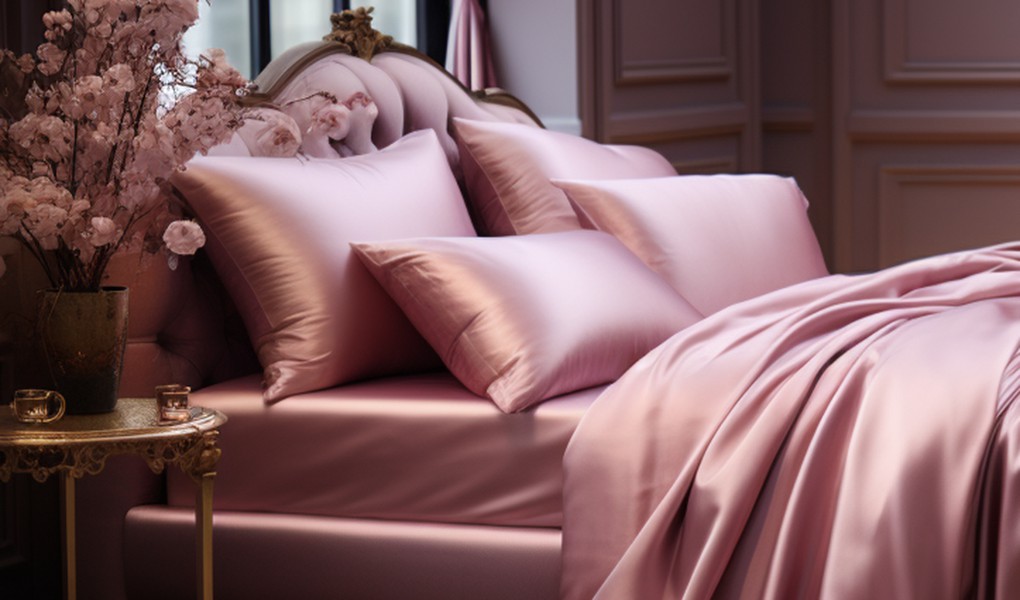
Beyond the dyeing process itself, high-Momme silk excels in maintaining colorfastness during everyday use. Silk bedding products, often manufactured with 22 Momme or higher fabrics, benefit from the enhanced dye retention properties of thicker silk. This ensures that the bedding remains visually appealing and vibrant over time, even after repeated laundering.
Experimental data support this claim. In a study testing colorfastness after 50 washing cycles, 22 Momme silk bedding retained over 95% of its initial color saturation, while 16 Momme silk bedding lost nearly 20% of its vibrancy. These results highlight the durability of high-Momme silk, making it an excellent choice for consumers seeking both luxury and longevity in their bedding.
Conclusion
High-Momme silk offers not only a luxurious texture and feel but also outstanding dye adsorption and colorfastness. Its denser fiber structure allows for deeper, richer dye penetration and greater resistance to fading, even with frequent washing. For consumers who prioritize enduring beauty and quality, selecting silk products with a Momme weight of 22 or higher ensures vibrant, long-lasting color and unmatched performance.