
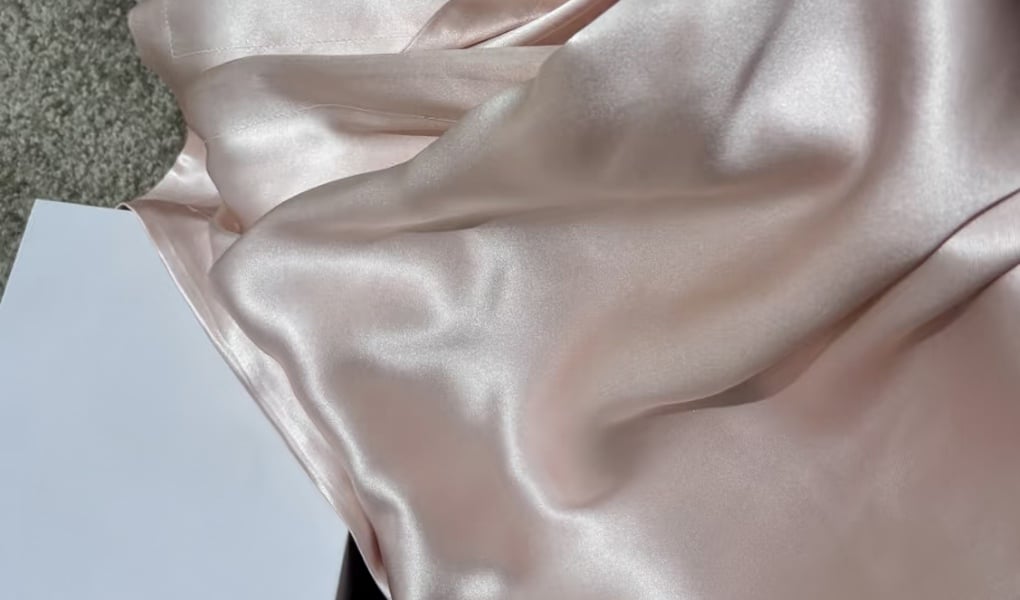
In a fast-paced modern world, more and more people are turning back to quality and detail in their clothing and lifestyle choices. Among all natural fabrics, silk stands out as a timeless symbol of elegance and refinement.
With a lustrous glow shaped by time and tradition, yet full of vitality and authenticity, silk embodies a raw, natural beauty. Every thread speaks of elegance and sophistication. But despite its popularity, silk is still surrounded by misunderstandings—especially when it comes to its most prized type: mulberry silk.
Let’s bust the top myths and help you better understand this luxurious natural fiber!
Myth 1: Is Silk the Same as Mulberry Silk?
Not quite!
“Silk” is a general term that refers to fabrics made from natural silk fibers, distinguishing it from synthetic or artificial alternatives like rayon or polyester satin. Under the silk category, there are several types, including:
- Mulberry silk
- Tussah silk
- Eri silk
- Muga silk
Among them, mulberry silk is considered the finest and most widely used due to its smooth texture, uniformity, and strength. That’s why people often refer to mulberry silk simply as “silk” in everyday conversation.
Silk is the broader category; mulberry silk is the top-tier member.
Myth 2: All Silk Is Smooth and Shiny?
Not necessarily!
Silk comes in 14 main categories and 43 subcategories, with a wide range of textures and appearances. Some of the most common types include:
- Charmeuse
- Crepe de Chine
- Georgette
- Habotai
- Satin
- Taffeta
- Organza
- Knit silk
The smooth and glossy silk you might be familiar with is silk charmeuse, which is only one type. Many silk fabrics are matte, crinkled, or sheer.
Silk isn’t always shiny—some types are matte, textured, or even sheer.
Myth 3: Real Silk Doesn’t Fade?
That’s a myth!
Silk is dyed using reactive or acid dyes, which are gentler on the protein-based fibers. To avoid damaging the silk, manufacturers often reduce the strength of the dye fixation process, which means some color fading is normal—especially during the first few washes.
Think of it like hair: both silk and hair are made of protein. If you bleach or dye your hair, it can also become dry or brittle.
Fading is normal with real silk—handle it with care when washing.
Myth 4: Silk Doesn’t Wrinkle?
Quite the opposite!
Silk is one of the most wrinkle-prone natural fabrics, right after cotton and linen. Lightweight silk fabrics (like 16–19 momme) are especially prone to creasing. Heavier silks, such as 25 or 30 momme, are more resistant to wrinkling and feel more structured.
Lighter silks wrinkle easily; heavier silks hold their shape better.
Myth 5: All Silk Is Naturally Soft?
Not exactly.
Raw silk isn’t ultra-soft by nature. The smooth texture we associate with silk comes from multiple processing steps, including:
Reeling → Degumming → Twisting → Doubling → Dyeing → Weaving → Finishing
Different treatments and weaves create different silk textures—from soft and flowing to firm and crisp.
Silk becomes soft through careful processing—not all silk starts out soft.
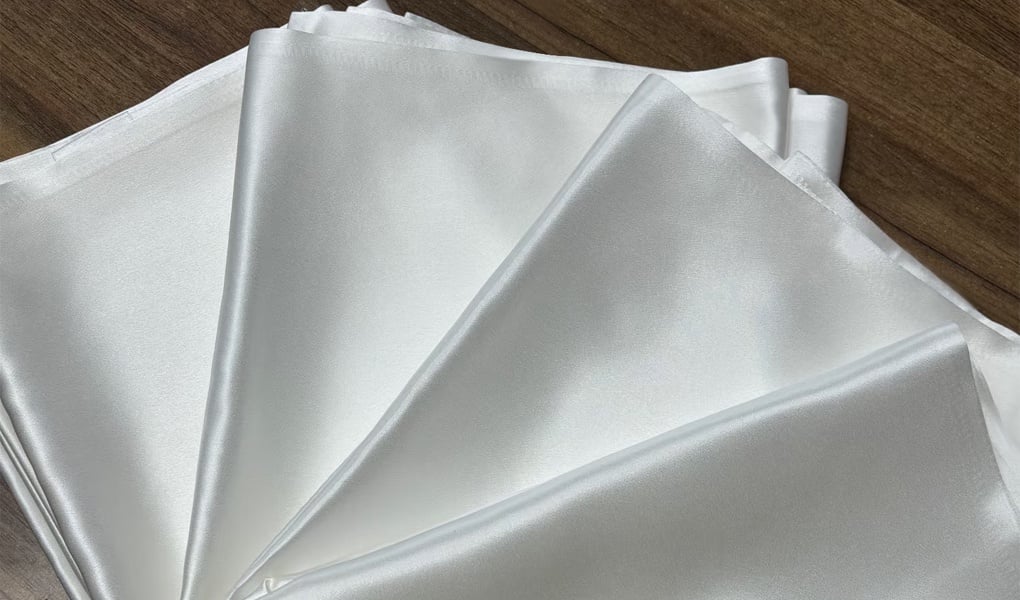
How to Choose High-Quality Silk Products
Silk Thickness: Check the Momme (mm)
Momme (mm) is the traditional unit for measuring the weight/thickness of silk—1 momme ≈ 4.3056g/m². The higher the momme, the heavier and denser the silk.
| Momme Range | Characteristics | Recommended Use |
| 16–19 mm | Lightweight, breathable | Summer wear, lingerie |
| 22–25 mm | Medium weight, balanced | Dresses, shirts, bedding |
| 30–40 mm | Heavyweight, structured | Luxury bedding, gowns |
For close-to-skin wear, 19 momme is ideal. For luxury silk bedding or formalwear, choose 19–25 momme or higher.
Silk Grades: It’s Not Just About Thickness
Silk is also graded based on fiber length, uniformity, cleanliness, strength, and luster. Higher-grade silk feels smoother, lasts longer, and looks more luxurious.
Silk Grade Breakdown:
| Grade | Description |
| A Grade | Short fiber silk; cotton-like texture; used for fillings |
| 2A Grade | Coarse silk, often yellowish-grey; requires chemical bleaching |
| 3A Grade | Standard long-fiber silk (over 1 meter); smooth and natural |
| 4A Grade | Degummed long-fiber silk; softer and smoother; good for skin contact |
| 5A Grade | Premium silk; uniform fibers, strong, lustrous, soft |
| 6A Grade | The finest mulberry silk; exceptional shine, softness, and strength |
For high-quality garments or bedding, 5A or 6A grade is highly recommended.
Quick Tip: How to Identify Real Silk
Burn Test (use with caution!)
- Pull a single silk thread
- Burn it and observe:
- Smells like burning hair (protein fiber)
- Ash forms a soft black ball that turns to powder when crushed
- If it smells like plastic and melts—it’s fake!
- Smells like burning hair (protein fiber)
Silk is more than just a fabric—it’s a lifestyle choice. It’s authentic, elegant, and naturally luxurious. But understanding the truth behind common silk myths helps you shop smarter and experience the true benefits of this incredible natural fiber.
Choose your silk like you choose your lifestyle: with clarity, care, and confidence.