

Silk, as a luxurious and elegant natural fiber, is highly favored by consumers for its unique sheen and soft texture. However, the market is flooded with counterfeit products. Therefore, it is crucial for consumers to accurately identify genuine silk. The following are some methods to help you distinguish the authenticity of silk.
Observing the Sheen
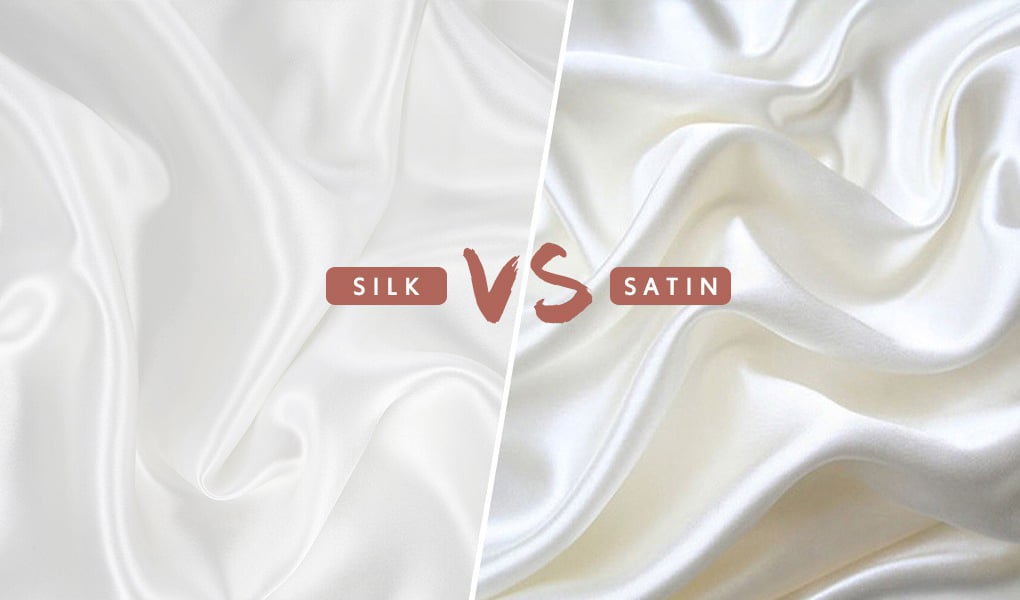
Silk possesses a unique sheen, often referred to as “silk luster.” Under light, silk reflects a soft and bright glow, creating a characteristic glossy effect. In contrast, synthetic silk or other materials may exhibit a more artificial and obvious shine, lacking the natural and delicate luster of real silk.
Observing the Texture
Silk is renowned for its distinctive feel, typically soft, smooth, cool, and comfortable with a delicate touch. Consumers comparing newly purchased silk products with others might notice differences in texture. However, these differences do not necessarily mean the product is not genuine silk. In fact, variations in texture can be attributed to several factors:
- Condition of the Product: New and washed silk products can feel different. Washed silk may become softer and more comfortable as washing can relax the fibers.
- Momme Weight: The momme weight, an important measure of silk quality, affects the fabric’s texture. Higher momme weight usually means thicker fabric with a richer and smoother feel.
- Weaving Techniques: Different weaving techniques influence the fabric’s texture. For instance, plain weave and charmeuse weave produce significantly different tactile sensations.
- Silk Grade: Higher grade silk generally offers a finer and softer feel, as it often uses higher quality raw silk and undergoes more refined processing techniques.
Therefore, even products labeled as “100% Silk” may feel different due to the diversity and treatment of silk. Consumers should consider these factors when purchasing.
Burn Test (Most Reliable Method)
The burn test is one of the most reliable methods to identify silk. The steps are as follows:
- Take a small fiber sample and light it with a match or lighter.
- Silk, being a protein fiber (silk fibroin), emits a characteristic odor similar to burning hair. It typically self-extinguishes when removed from the flame.
- After burning, silk leaves behind brittle black ash that crumbles into powder when pressed.
- Synthetic silk or other synthetic materials usually emit a chemical or plastic odor, burn quickly, and may melt into hard lumps or form white ash.
Chemical Reaction Test
Chemical tests can also help differentiate silk from synthetic fibers, particularly through chemical properties. Here is a common method:
- Wearing gloves, place a small fiber sample into a cup containing sodium hydroxide.
- Silk will dissolve in sodium hydroxide because it is a protein fiber that reacts with the base.
- Synthetic fibers like polyester generally do not dissolve in sodium hydroxide.
In conclusion, the burn test is one of the most reliable methods to identify genuine silk, while chemical reaction tests can serve as supplementary methods. Combining these with other observational methods can help objectively distinguish genuine silk. As a consumer, understanding these methods can assist you in making more informed choices, ensuring you purchase authentic, high-quality silk products.