
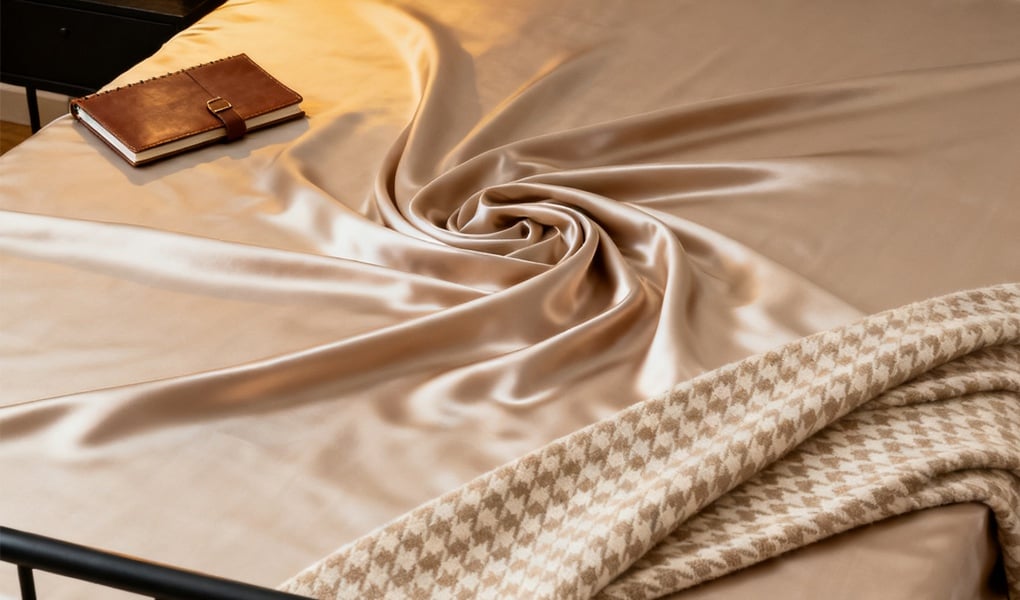
Humidity is a crucial factor influencing sleep comfort, and the choice of bedding material plays a pivotal role in its humidity-regulating capabilities. Mulberry silk bedding and linen bedding, both esteemed natural materials, exhibit distinct differences in humidity regulation. This article delves into the characteristics of these two materials concerning humidity, aiding in a better understanding for an informed bedding choice.
Firstly, Mulberry silk bedding is renowned for its exceptional moisture-wicking and breathability. Silk from silkworms has remarkable moisture-absorbing properties, swiftly drawing moisture from the air and keeping the surface of the pillowcase relatively dry. This superior moisture-wicking ability ensures Mulberry silk bedding remains comfortable in humid weather while providing a moderate level of moisture in dry seasons, alleviating skin dryness and discomfort.
In comparison, linen bedding also possesses admirable humidity-regulating characteristics. Linen fibers are naturally absorbent, capable of absorbing substantial amounts of water without feeling damp. This feature enables linen bedding to maintain relative dryness in high humidity, easing discomfort for users. However, linen fibers are slightly less breathable than silk, potentially resulting in inferior performance in more humid conditions.
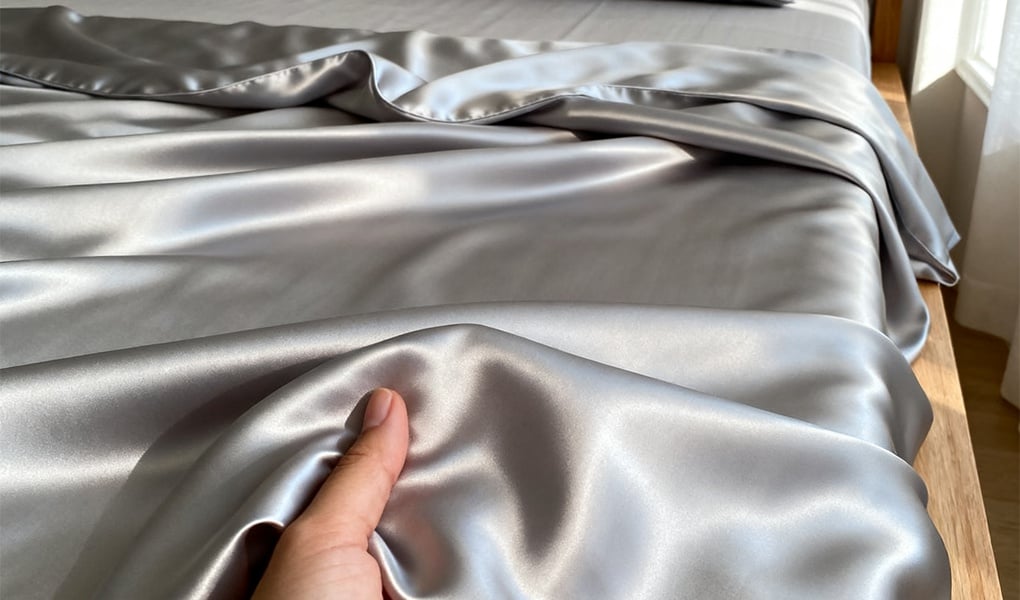
Secondly, Mulberry silk bedding’s humidity regulation extends to its warmth-retaining properties. In colder seasons, Mulberry silk bedding effectively traps body heat, providing users with warmth and comfort. This characteristic makes Mulberry silk bedding an ideal choice throughout the year, whether in hot summers or chilly winters.
Linen bedding, too, exhibits good temperature and humidity regulation. In warmer seasons, linen’s breathability keeps users cool, but it may feel relatively cooler in colder seasons. Linen bedding is breathable and skin-friendly but may be less effective in retaining warmth.
In summary, Mulberry silk bedding and linen bedding showcase differences in humidity regulation. The exceptional moisture-wicking and breathability of silk, coupled with its year-round warmth-retaining properties, make it a standout choice for those seeking a high-quality sleep experience. Linen bedding, while offering good humidity regulation, is particularly suitable for individuals who prefer a cooler feel. When choosing bedding, considering personal climate preferences and needs will help in making a well-rounded decision to create a comfortable bedroom environment.