
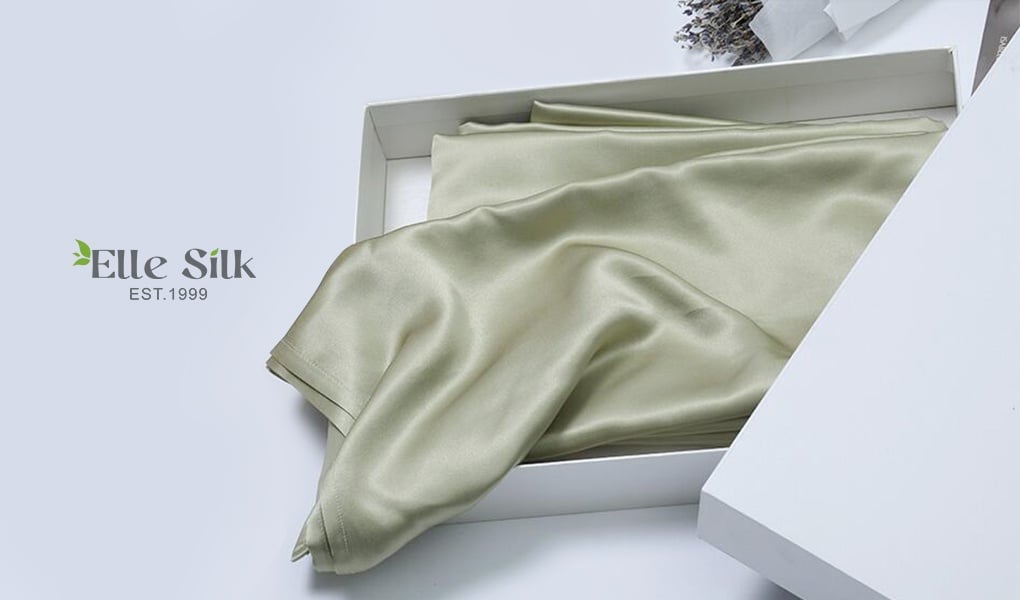
Silk has long been revered for its unparalleled elegance, softness, and luxurious appeal. Among the most sought-after silk types, mulberry silk stands out as the epitome of traditional luxury, while silk jersey is celebrated for its elasticity and modern versatility. Though both fabrics originate from silk fibers, they differ significantly in texture, construction, and application. Additionally, the traditional burn test, often used for identifying natural silk, raises questions about its reliability when applied to silk jersey. This article provides an in-depth analysis of their differences and the challenges of material verification.
What Are Mulberry Silk and Silk Jersey?
Mulberry Silk
- Definition: Derived from the cocoons of Bombyx mori silkworms, mulberry silk is considered the finest and purest silk type available.
- Characteristics:
- Fiber Structure: Long, smooth, and uniform filaments with minimal irregularities.
- Feel and Appearance: Lightweight, ultra-soft texture with a radiant, pearl-like sheen.
- Primary Uses: Frequently used in high-end garments, luxurious bedding, and accessories such as scarves.
Silk Jersey
- Definition: A knit fabric made from silk fibers, combining silk’s softness with the elasticity of knitted construction.
- Characteristics:
- Structure and Texture: The knit pattern gives it stretch and a soft, pliable feel.
- Appearance and Thickness: Subtle sheen with a thicker, draped quality compared to woven silk.
- Primary Uses: Commonly used in dresses, lingerie, and comfortable yet elegant everyday clothing.
Professional Comparison of Mulberry Silk and Silk Jersey
1. Raw Material
- Mulberry Silk: Made from 100% Bombyx mori silk fibers, ensuring exceptional purity and smoothness.
- Silk Jersey: May use mulberry silk, tussar silk, or other silk types, and occasionally incorporate additional fibers for enhanced performance.
2. Manufacturing Process
- Mulberry Silk: Created through traditional weaving techniques, usually plain or twill weaves, focusing on smoothness and sheen.
- Silk Jersey: Produced using knitting techniques, where loops create a more elastic and flexible fabric.
3. Features and Applications
- Texture and Elasticity:
- Mulberry silk offers a silky smooth surface with a flowing drape.
- Silk jersey is softer, stretchier, and contours more closely to the body.
- Durability:
- Mulberry silk is delicate and prone to snagging.
- Silk jersey is more resistant to stretching or pulling, thanks to its knitted structure.
- Care Requirements:
- Mulberry silk demands meticulous care, such as hand washing or dry cleaning.
- Silk jersey is more forgiving but still requires gentle handling to avoid damage.
Why the Burn Test Is Not Suitable for Silk Jersey
1. Principles of the Burn Test
The burn test involves burning a small fabric sample and observing its flame, odor, and ash residue to identify the fiber content. Natural silk emits a smell similar to burning hair and leaves a brittle black ash.
2. The Complexity of Silk Jersey
The knitted structure of silk jersey and its potential inclusion of blended fibers or finishes complicates its burn characteristics. Some silk jersey fabrics are treated with coatings or incorporate synthetic fibers for elasticity, making the burn test unreliable for accurate identification.
3. Alternative Testing Methods
To accurately determine the composition of silk jersey, the following methods are recommended:
- Microscopic Analysis: Examining the fiber structure under a microscope.
- Chemical Testing: Identifying protein-based fibers through chemical reactions.
- Infrared Spectroscopy: Analyzing molecular signatures to verify the fabric’s composition.
Mulberry silk and silk jersey are both exquisite fabrics, but their unique properties make them suitable for different purposes. While the burn test is effective for traditional silk, the complexities of silk jersey require more advanced and precise testing techniques to confirm its authenticity. Understanding these differences ensures better decision-making for both consumers and industry professionals.