

Silk, since ancient times, has symbolized luxury and elegance. Its smooth and delicate touch, shimmering like pearls, always evokes thoughts of the ancient Silk Road and the splendid charm of the East. However, with the rise of modern environmental consciousness, people are beginning to focus on the stories behind silk. Today, let’s explore the differences between two types of silk – organic silk and conventional silk – and see how they each shine in contemporary society.
Organic Silk:
Nature’s Gift Organic silk, as the name suggests, is produced in harmony with nature. Mulberry trees, free from synthetic pesticides and fertilizers, provide a green banquet for these silkworms. Every mulberry leaf bathes in sunlight and rain, untouched and pure. This natural feeding method not only protects the environment but also ensures the cocoons are pure and harmless.
Furthermore, producers of organic silk often practice humane methods, allowing silkworms to complete their natural life cycle before collecting the cocoons. This method, known as Peace Silk or Ahimsa Silk, reflects respect and care for life. These delicate and gentle production details make organic silk not just a fabric but a tribute to nature and life itself.
Conventional Silk:
Traditional Heritage Conventional silk is the veteran of the silk world, boasting a long history and mature craftsmanship. With the aid of modern agricultural techniques, mulberry tree cultivation has become more efficient. Despite concerns about environmental impact from synthetic pesticides and fertilizers, these have undoubtedly increased mulberry yields and resistance to pests and diseases. Silkworms thrive on these high-quality leaves, spinning cocoons that impart silk with its unique luster and texture.
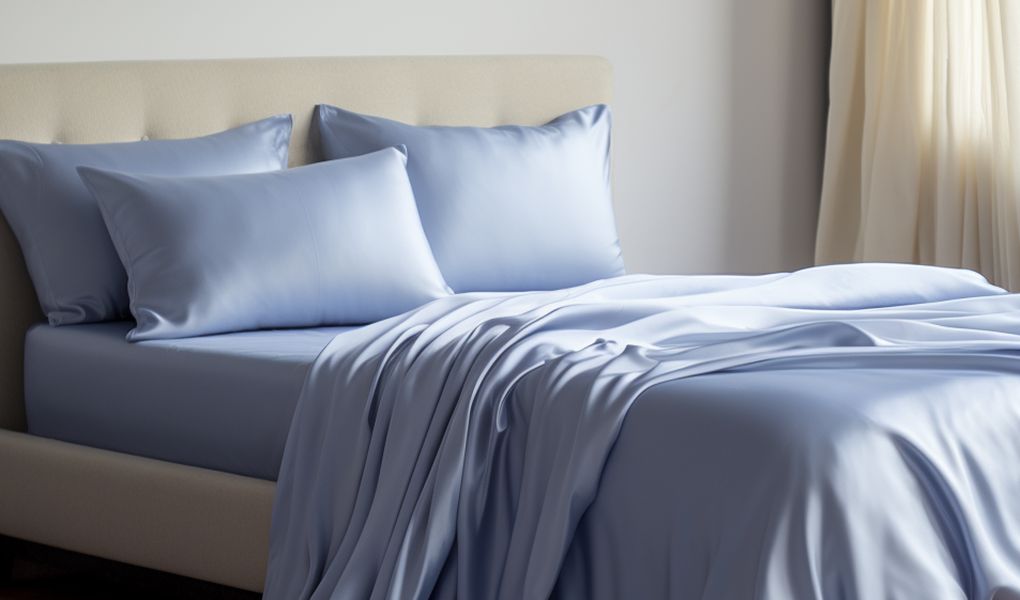
The production process of conventional silk, while not specifically minimizing harm to silkworms, ensures the high-quality, long silk fibers that make the finished fabric durable and resilient. Widely used in various silk sleepwear and silk bed sheets, conventional silk is beloved for its softness, smoothness, and luxurious feel.
Each Silk Shines in Its Own Way
Organic silk and conventional silk each possess unique charms. Organic silk’s environmentally friendly and sustainable production methods appeal to those concerned with Earth’s health and natural living. Meanwhile, conventional silk maintains its prominent position in fashion circles due to efficient production methods and superior textile quality, offering a luxurious wearing experience.
Choosing organic silk means opting for a lifestyle in harmony with nature and a respect for life. Choosing conventional silk signifies recognition of traditional craftsmanship and excellent quality. Regardless of your preference, silk will enhance your life with its unique charm, gentle touch, and elegant demeanor.
In Conclusion
The beauty of silk lies in its natural luster and soft touch, but the stories behind it are equally captivating. Organic silk and conventional silk represent two different life philosophies – one of symbiosis with nature and respect for life, the other of efficient production and pursuit of quality. Whichever silk you choose, it will add a touch of luxury and elegance to your life. Let us immerse ourselves in the world of silk, experiencing this blend of ancient and modern beauty.