
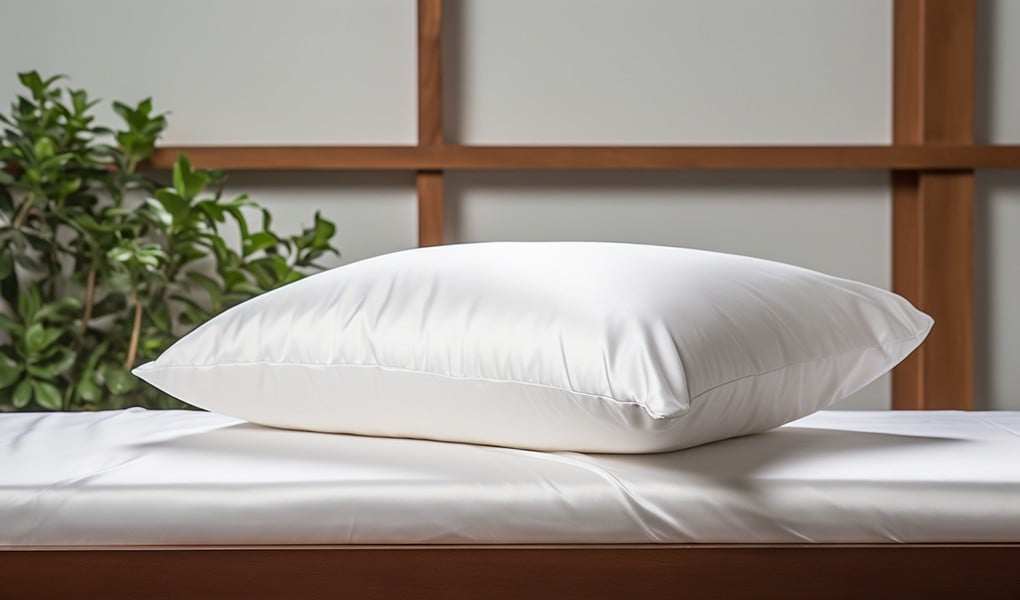
Pillows play a crucial role in providing comfort and support for a good night’s sleep. Over time, pillows can accumulate dirt, dust mites, allergens, and lose their original shape and support. Therefore, it is important to regularly assess the condition of your pillows and consider replacing them when necessary. While there is no fixed timeframe for replacing pillows, several factors can help determine when it’s time for a replacement.
- Pillow Type: The lifespan of a pillow depends on its materials and construction. Synthetic pillows typically last for 1 to 2 years, while down or feather pillows can last up to 5 to 7 years. Memory foam pillows have a longer lifespan of around 3 to 5 years. However, these are general guidelines, and the actual lifespan can vary based on usage and care.
- Physical Condition: Pay attention to the physical condition of your pillows. If you notice visible signs of wear and tear, such as lumps, sagging, or flattened areas, it’s a clear indication that the pillow has lost its support and should be replaced. A pillow that no longer maintains its shape can cause discomfort and lead to poor sleep quality.
- Allergies and Hygiene: Pillows can accumulate allergens, dust mites, and bacteria over time, which can exacerbate allergies and affect sleep quality. If you suffer from allergies or respiratory issues, it is advisable to replace your pillows more frequently, every 6 to 12 months, or as recommended by healthcare professionals. Additionally, washing pillows regularly can help maintain hygiene, but eventually, they will need to be replaced.
- Personal Comfort: Everyone has different preferences for pillow firmness and support. If you find that your pillow is no longer providing the comfort you need, it may be time to invest in a new one. Your sleep quality and overall well-being are worth the investment in a pillow that suits your individual needs.
- Changes in Sleep Habits: If you experience changes in your sleep habits, such as switching sleep positions or developing new sleep preferences, you may need a different type of pillow to support these changes. For example, if you switch from back sleeping to side sleeping, you may require a thicker and more supportive pillow.
Regularly assessing the condition and comfort of your pillows is essential for a healthy and comfortable sleep environment. Remember, investing in high-quality pillows and replacing them when necessary can contribute to better sleep, improved spinal alignment, and overall well-being.