
When we aim for better sleep, the type of blanket we use can make a surprisingly big difference.
Among many materials, silk blankets and wool blankets stand out for their natural fibers, excellent performance, and classic feel.
At first glance, they both seem like premium options. But when it comes to how they feel, how they work in different seasons, and how you care for them, they are quite different. This guide compares silk and wool blankets in a clear and practical way, so you can pick the one that fits your lifestyle best.
Material & Feel: Light and Smooth vs Warm and Fluffy
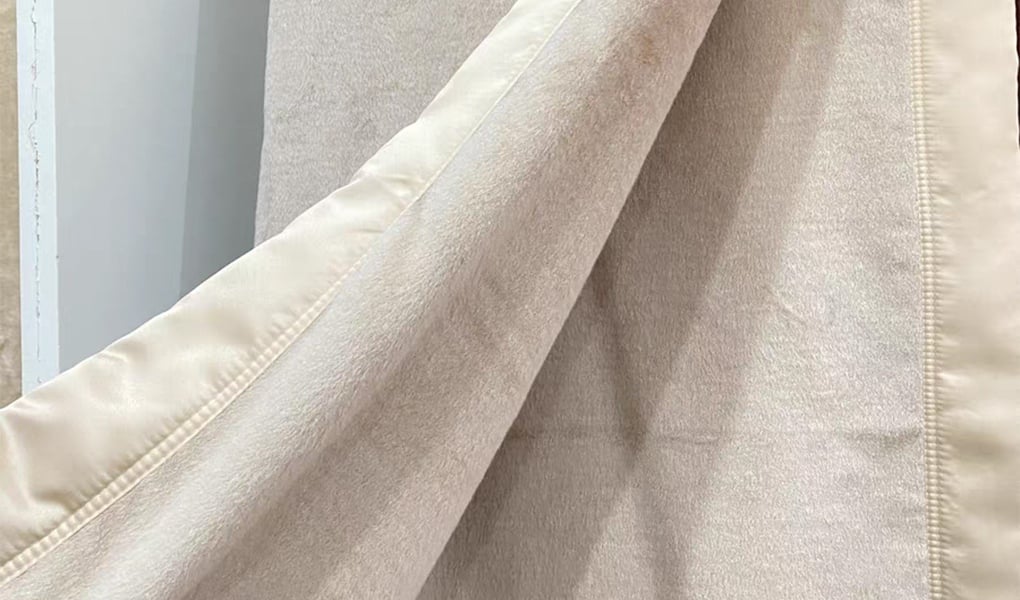
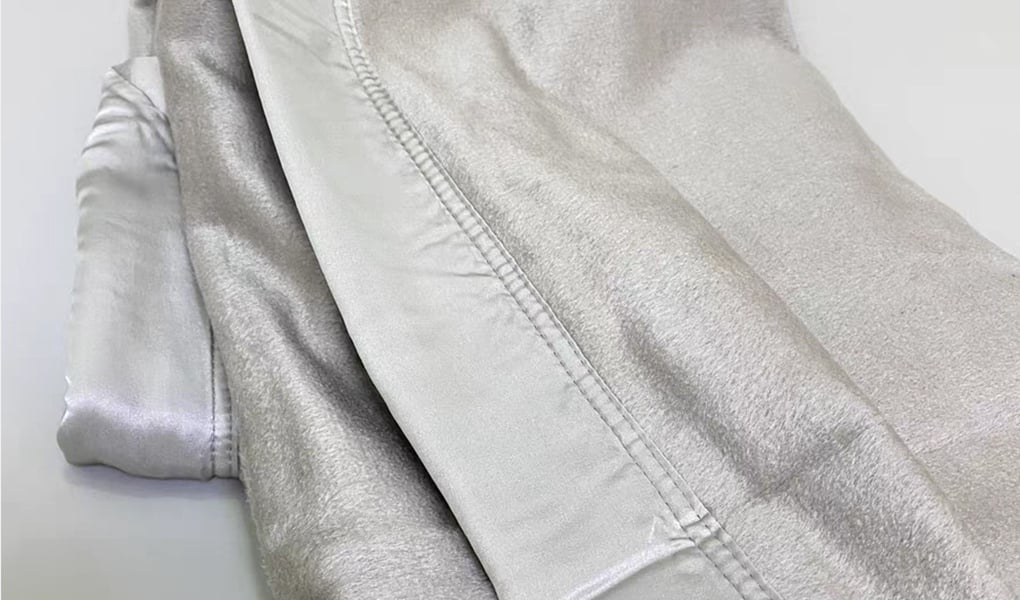
Brushed silk blankets are made from mulberry silk yarn and finished with a special brushing process.
The surface has a soft, plush texture that feels smooth and airy.
There’s a gentle, natural shine, and the blanket feels light like a “cloud” in your hands.
The brushed texture has good bounce, so the blanket doesn’t wrinkle easily during daily use.
Wool blankets come from natural sheep’s wool, with a dense, crimped fiber structure.
They feel thicker, warmer, and have a slightly fuzzy surface.
High-quality wool like Merino is soft and smooth, while cheaper wool can feel a bit itchy.
The look is more matte and classic, with a cozy, traditional vibe.
In short: silk blankets feel light, silky, and smooth, while wool blankets feel thick, fluffy, and warm.
Warmth & Breathability: All-Season Comfort vs Strong Insulation
| Feature | Silk Blanket | Wool Blanket |
| Warmth | Medium, works year-round | Excellent for cold weather |
| Breathability | Very good, cool but not cold | Good, but heavier overall |
| Best Season | Spring, summer, fall, air-conditioned rooms | Fall, winter, cold climates |
Silk fibers are hollow inside, and the brushed surface creates tiny air pockets, giving great breathability and temperature control.
It keeps you cool in summer and comfortably warm in cooler weather — perfect for spring, fall, or rooms with air conditioning.
Wool’s natural crimp locks in more air, which means strong insulation. It’s the go-to for cold winter nights or chilly climates.
Care & Durability
| Feature | Silk Blanket | Wool Blanket |
| Wrinkle Resistance | Very good, plush surface bounces back | Very good, natural fiber elasticity |
| Cleaning | Hand wash gently or dry clean; avoid heat & sun | Usually dry clean, some can be machine washed |
| Durability | Long-lasting with proper care | Very durable, great for frequent use |
Brushed silk blankets are not as delicate as people think.
They don’t wrinkle like silk clothing, and with mild washing and proper storage, they keep their soft, smooth look for years.
Wool blankets are naturally strong and stain-resistant, making them great for everyday use, especially in winter.
Skin Comfort & Health
Silk contains natural amino acids, is hypoallergenic, and resists dust mites, which makes it perfect for sensitive skin, kids, or anyone who wants a smooth, gentle touch against the body.
Wool gives a warm, cozy wrap, but some people may find lower-grade wool a bit itchy. Fine Merino wool, however, is soft enough for most skin types.
If you care most about skin comfort, breathability, and a silky feel, go for silk.
If you want a heavier, super-warm blanket, wool is a solid choice.
Who They’re Best For
Silk Blankets Are Great For:
- People who sleep hot or want a blanket for all seasons
- Sensitive skin or anyone who loves a smooth, gentle feel
- Those who prefer lightweight, non-bulky bedding
- Creating a soft, elegant bedroom look
Wool Blankets Are Great For:
- Cold climates or strong winter warmth needs
- People who like heavier, cozier bedding
- Everyday use during the colder months
- A classic, natural home style
For many households, the best choice is not one or the other — it’s both: silk for spring and summer, wool for fall and winter. That way, you stay comfortable and cozy all year long.