
Backstage at New York Fashion Week always smells like hairspray mixed with hurry. One afternoon, I watched a model slip into her shoes, her curls resting on her shoulders like they were being gently held in place. The moment she sat down, a stylist looked at her and joked, “Good thing you don’t sleep on cotton, or we’d still be fixing your hair right now.”
I thought he was just teasing her. Later I learned he wasn’t praising her “good genes.” He was talking about sleep. Nighttime is when hair is most fragile.
Stylists don’t hype silk because it’s fancy. They talk about it because it prevents the damage you never see.
One hairstylist told me, “Shine on the runway isn’t from spray. It starts with those eight hours you think don’t matter.” He was being honest.
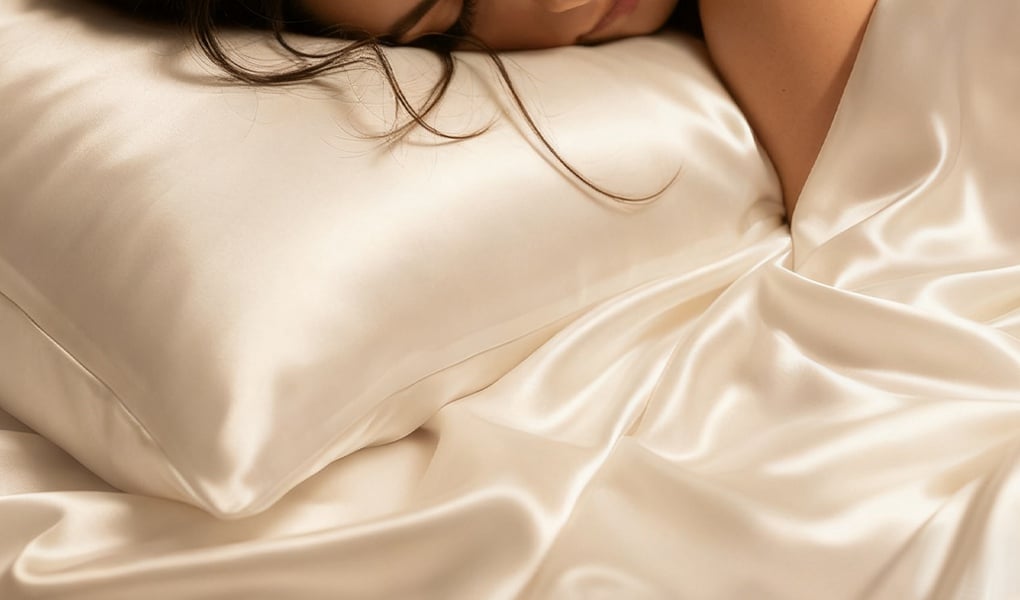
During sleep, your hair rubs against your pillow more than at any other time of the day. Cotton fibers may feel soft to your hand, but under a microscope they look uneven and rough. They grab hair, pull on it, and leave curls crushed and straight hair frizzy.
Silk works differently. Its natural protein fibers are smooth and fine, almost like tiny gliding threads that let your hair move without getting caught. It doesn’t repair damage. It simply doesn’t add more.
As one Vogue editor once said, “Cotton fights your hair. Silk lets your hair breathe.”
The science behind it isn’t glamorous, but it explains why hair stays more “stable.”
A dermatologist I spoke with told me a line I couldn’t forget:“Hair can’t heal. All you can do is avoid more damage.”
It sounds harsh, but it’s true. That’s why many experts call silk pillowcases “protective tools.” They won’t turn you into a fairy-tale princess overnight. What they do is help you wake up without new problems.
For curls, this means your curl pattern stays alive. For straight hair, this means your brush no longer gets stuck. For color-treated hair, this means the dry ends don’t get worse.
It’s less about a miracle, more about a calmer morning.
My own experience: no big magic, but less struggle every day
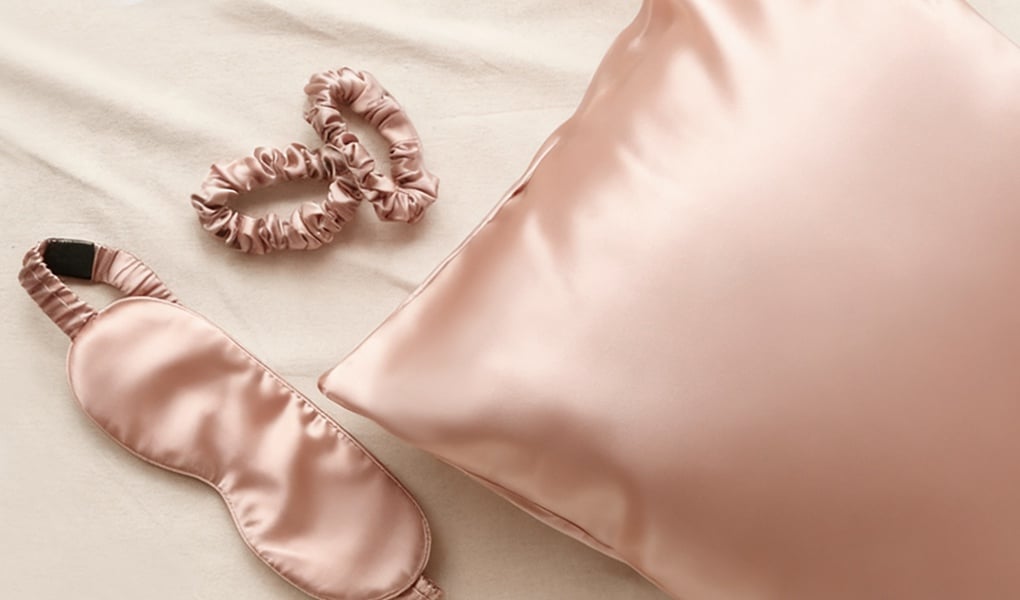
The first week I used a pure silk pillowcase, nothing dramatic happened. The second week, I realized my “fresh hair” feeling lasted longer. By the third week, I stopped carrying a small brush in my bag. After three months, a friend asked if I changed my conditioner.
Honestly? I didn’t.
The improvement wasn’t loud. It was quiet, steady, and real. My curls stopped “arguing” with me every morning. My hair felt more predictable, and less tired.
If you bleach or dye your hair, you’ll notice even more: the ends don’t fall apart as fast, and your hair doesn’t look stressed.
This kind of soft improvement is exactly the kind you only notice over time.
Silk isn’t about luxury. It’s about feeling put together.
People often frame silk pillowcases as a “luxury buy.” But real luxury isn’t about price. It’s about those tiny parts of life that suddenly feel easier.
Waking up without your curls forming a cloud. Taking less time to fix your hair. Skipping your usual “emergency routine.” Seeing a version of yourself that hasn’t given up on you.
Sometimes you become softer with yourself simply because life stops pushing quite so hard.
Silk pillowcases aren’t magic. But they’re a thoughtful choice.
No, they won’t turn you into someone from a hair commercial. But they do help you wake up closer to the version of yourself you actually like.
They don’t heal your hair. But they keep it from breaking down more.
They don’t change who you are. But they take care of the hours when you’re not there to protect your hair.
If you ask me, “Is it worth it?” My answer is: if you want your mornings to feel calmer and your hair to feel easier, yes. It is.