
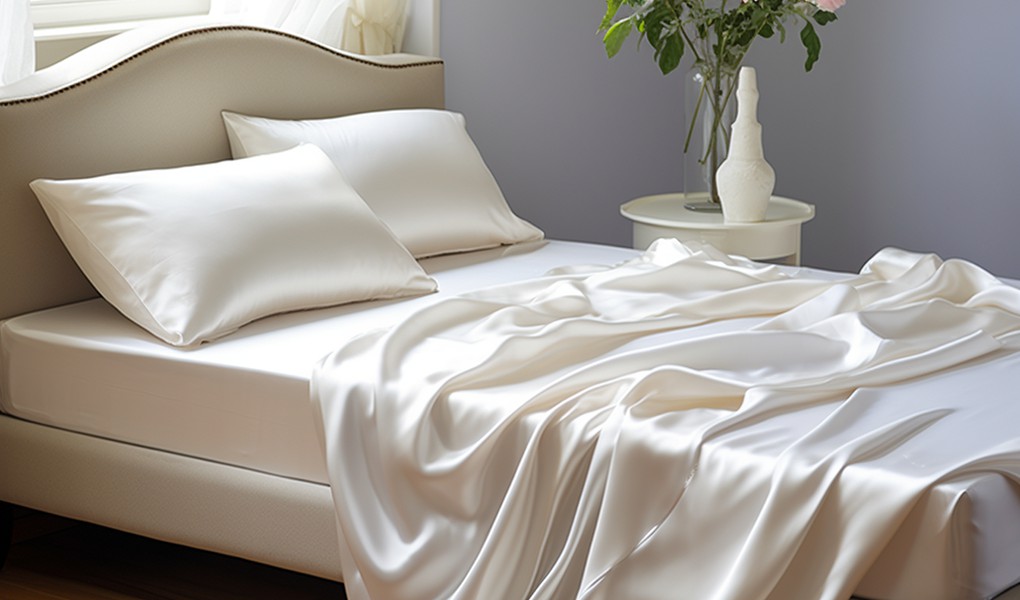
As consumers increasingly demand higher quality in their home lifestyles, silk bed sheets have become a coveted choice for their luxurious feel and comfort. However, the debate between seamless and seamed silk bed sheets continues to heat up in the market, leaving many consumers perplexed about their choices. Which design is more suitable for your bedroom? Is seamless bedding synonymous with luxury, or does seamed bedding hold the classic appeal? This article delves into the definitions, craftsmanship, quality differences, and market positions of these two types of bed sheets, helping you make a well-informed choice on your quest for perfect sleep.
I. Definitions and Basic Features
Seamless Silk Bed Sheets
Seamless silk bed sheets are made from a single piece of fabric or produced using advanced weaving technologies, resulting in a smooth surface without any seams. This design offers a more uniform visual appeal and reduces discomfort caused by seams, providing a supremely smooth tactile experience. According to market research, approximately 73% of consumers believe seamless designs exude modernity and elegance, particularly in the luxury goods market.
Seamed Silk Bed Sheets
In contrast, seamed silk bed sheets are constructed from multiple pieces of fabric stitched together, creating seams. This traditional craftsmanship allows manufacturers to combine different colors and patterns, resulting in diverse designs. While this method provides structural stability, the presence of seams may impact overall comfort and aesthetics.
II. Craftsmanship and Techniques
Seamless Craftsmanship
The manufacturing of seamless bed sheets typically employs high-end weaving techniques, such as circular knitting machines, which enable the production of a single fabric piece. This technology requires substantial investment in equipment and technical expertise. Additionally, seamless designs can reduce fabric waste during production, lowering costs. Notably, about 65% of manufacturers producing seamless bed sheets utilize eco-friendly materials and dyes, appealing to an increasingly sustainability-conscious consumer base.
Seamed Craftsmanship
The production process for seamed silk bed sheets is more established and encompasses various stitching techniques, such as flat seams and overlock stitches. While this method allows brands greater creative freedom in design, the stitched seams can lead to localized friction that negatively impacts sleep quality. According to consumer feedback, around 48% report that the friction at seam points affects their sleep experience, especially during warmer weather.
III. Quality Comparison
- Appearance and Visual Appeal
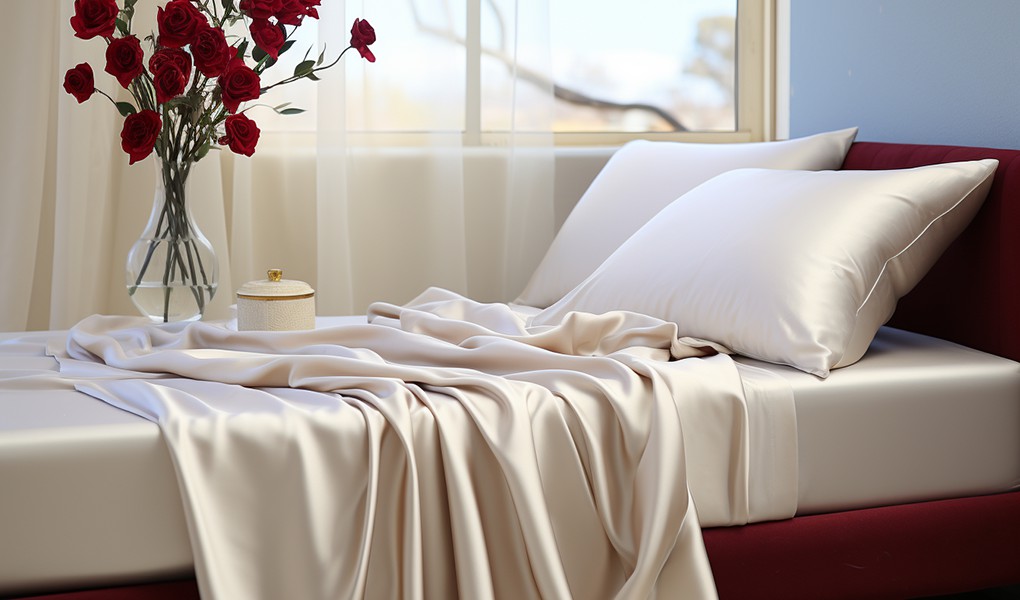
Seamless silk bed sheets are often regarded as a symbol of luxury due to their smooth, uninterrupted surface. Consumers frequently prioritize these products, perceiving them as more stylish and elegant. Research indicates that 80% of high-end hotels and inns choose seamless silk bed sheets to enhance their guests’ overall experience. - Comfort
The seamless design tends to feel softer to the touch, avoiding the potential irritation caused by seams in traditional seamed bed sheets. For consumers with sensitive skin, seamless bed sheets are undoubtedly a more ideal choice. In contrast, seamed bed sheets often fall short in comfort, especially at seam points, which may lead to discomfort during sleep. - Durability
Because seamless designs reduce the number of seams, they generally exhibit superior durability. Seamless bed sheets are less prone to wear and can maintain a longer lifespan. Data shows that the average lifespan of seamless silk bed sheets is about 20% longer than that of seamed variants, making this a crucial consideration for long-term investment.
IV. Market Trends and Consumer Preferences
In recent years, the demand for seamless silk bed sheets has surged as consumers increasingly seek luxury and comfort. According to market analysis firm Statista, the silk bedding market is projected to reach approximately $1.7 billion in 2023, with seamless bed sheets accounting for nearly 40% of the market share. This trend reflects consumers’ growing inclination toward high-quality, comfortable products when selecting bedding.
Furthermore, more brands are positioning seamless designs as a core competitive advantage. For instance, sales data from a high-end bedding brand reveals that their seamless silk bed sheets have seen a 50% increase in sales over the past two years, while sales of seamed products have remained stable. This phenomenon further validates the significance of seamless bed sheets in the luxury market.
Conclusion
Both seamless and seamed silk bed sheets have their pros and cons; however, in the modern luxury market, seamless designs are increasingly recognized for their superior craftsmanship, comfort, and visual appeal. When selecting bedding, consumers should consider their individual needs, budget, and usage experience. Seamless silk bed sheets not only provide a better tactile experience in terms of comfort but also present durability and high-end aesthetics, making them a worthwhile investment. As the market continues to evolve, seamless silk bed sheets are poised to lead the trend in home goods, becoming a hallmark of luxurious sleep experiences.