
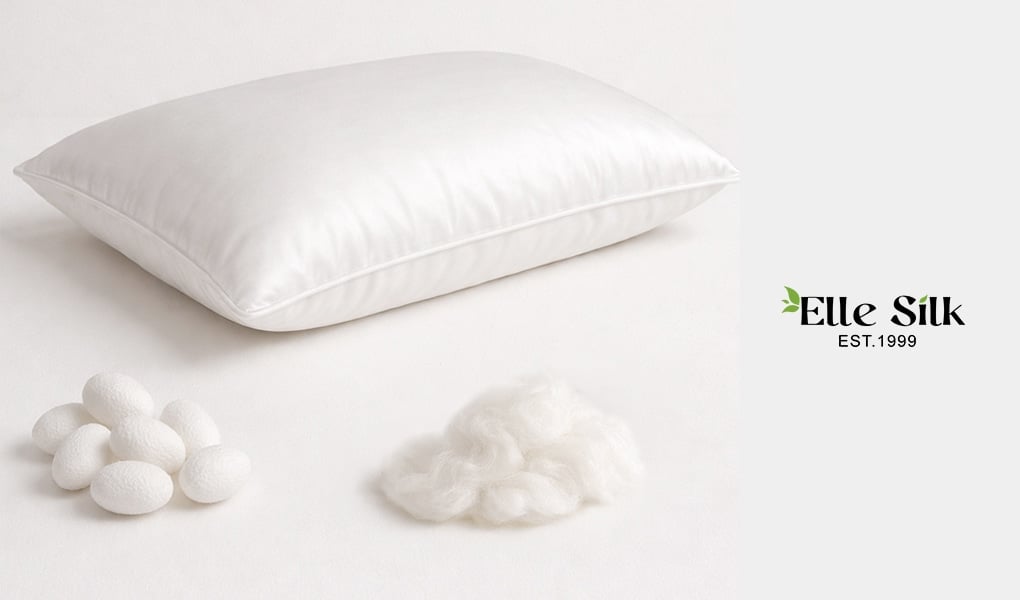
When it comes to choosing the perfect pillow, the stuffing material plays a crucial role in determining comfort and sleep quality. Here, we explore six different types of pillow stuffing, outlining the pros and cons of each.
1. Down Pillow Stuffing
Pros:
- Soft Comfort: Down feathers offer exceptional softness, providing excellent support for the head and neck.
- Insulation: Down pillows provide additional insulation, ideal for colder seasons.
Cons:
- High Cost: Down is a premium filling material, making pillows relatively expensive.
- Not Suitable for Allergies: Some individuals may be allergic to down, making it unsuitable for sensitive skin.
2. Polyester Fiberfill Pillow Stuffing
Pros:
- Cost-Effective: Polyester fiberfill is a budget-friendly filling material.
- Easy to Clean: Pillows filled with polyester fiberfill are often easy to wash and maintain.
Cons:
- Average Support: Polyester fiberfill provides moderate support and may lose shape over time.
- Not Ideal for Heavy Support Needs: May not be sufficient for those requiring more support.
3. Feather Pillow Stuffing
Pros:
- Good Support: Feather filling offers strong support, suitable for those needing extra support.
- Moderate Softness: Softer than down, feather pillows maintain a certain level of softness.
Cons:
- Higher Price: Relative to other fillings, feather pillows can be expensive.
- Potential Odor: Feather pillows may emit a distinctive odor initially.
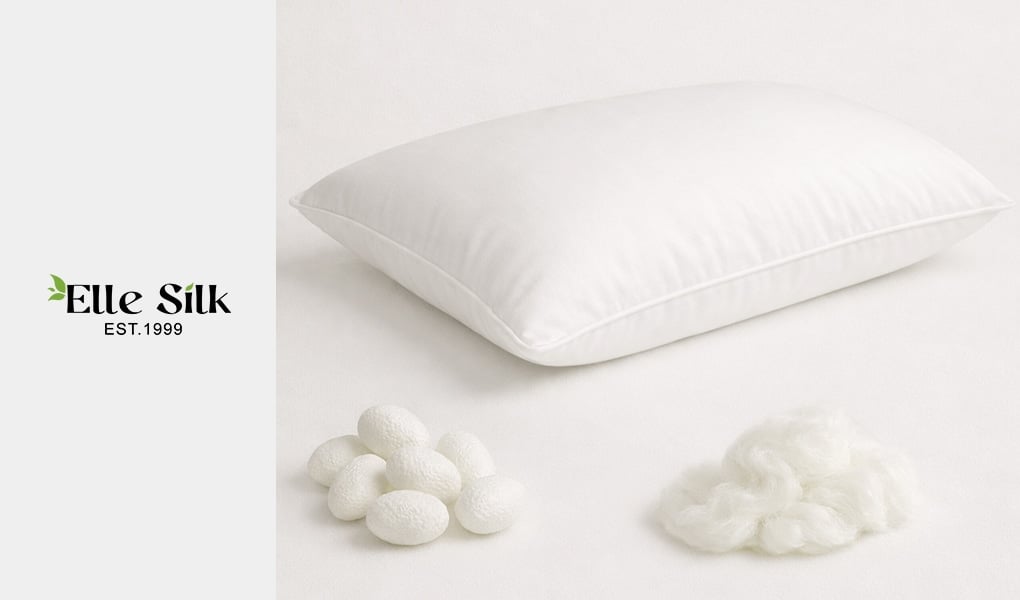
4. Silk Pillow Stuffing
Pros:
- Smooth Softness: Silk provides an excellent smooth texture and soft feel.
- Suitable for Sensitive Skin: Friendly to allergy-prone skin, less likely to cause reactions.
Cons:
- Higher Price: Silk is a luxurious filling material, making pillows relatively costly.
- May Lack Sufficient Support: May not be suitable for those requiring more support.
5. Memory Foam
Pros:
- Personalized Support: Memory foam contours to the shape of the head and neck, providing personalized support.
- Pressure Point Reduction: Effectively reduces pressure points on the spine and head.
Cons:
- Higher Cost: Memory foam is a relatively high-cost filling material.
- May Retain Heat: Memory foam tends to retain body heat, potentially making some users feel too warm.
6. Cotton
Pros:
- Natural and Eco-Friendly: Cotton is a natural and environmentally friendly filling material.
- Suitable for Allergies: Less likely to trigger allergic reactions, suitable for sensitive individuals.
Cons:
- Prone to Flattening: Cotton-filled pillows may lose their support relatively quickly.
- Requires Regular Fluffing: Periodic fluffing is needed to maintain shape and support.
When selecting a pillow, consider personal preferences, budget constraints, and specific comfort needs to find the ideal filling material. Each type has its unique characteristics, catering to different sleep preferences and ensuring a good night’s sleep.