

Pure mulberry silk is known for qualities that few other textiles can replicate: its soft natural luster, exceptionally smooth touch, elegant drape, and ability to display rich, sophisticated colors. These characteristics make silk an ideal material for luxury bedding, but they also mean that it requires more considered care than ordinary fabrics.
One of the most common questions about silk bedding is: Does silk fade? To answer this, it helps to understand an important concept – Color Fastness.
For pure mulberry silk bed sheets, professional dry cleaning is our recommended method of care, particularly when the goal is to preserve their original color, luster, and refined appearance for as long as possible.
So why is water washing not recommended for high-quality mulberry silk, even when the fabric has been carefully dyed?
The answer lies in the interaction between silk fibers, dyes, and the washing environment. To understand why water washing may affect color—and why professional dry cleaning is better suited to silk bedding—we first need to look at what happens when dyed silk comes into contact with water.
Why Can Water Washing Affect the Color of Silk?
Silk is a natural protein fiber. During the dyeing process, dyes are absorbed by and bond with the silk fibers to create the finished color. After dyeing, however, small amounts of residual or less firmly bound dye may remain within or near the surface of the fibers.
When silk is immersed in water, moisture penetrates the fibers and changes the environment surrounding both the fiber and the dye. This can allow some dye to migrate from the fabric, resulting in the color release that may sometimes be observed during washing.
Water washing also involves more than water alone. Water temperature, detergents, exposure time, friction, and mechanical action can all influence how the color behaves.
Higher temperatures may encourage dye migration. Detergents alter the chemical environment surrounding the fiber and dye, while alkaline products, bleaching agents, and aggressive cleaning ingredients can have a greater effect on natural protein fibers. The longer silk remains wet, the more opportunity there is for water to interact with the fibers and dyes, while agitation and friction add further mechanical stress to the fabric surface.
Color change after water washing is therefore rarely the result of a single factor. It is usually influenced by a combination of moisture, temperature, detergent chemistry, exposure time, and mechanical action.

DDoes a Higher Grade of Silk Mean It Will Never Fade?
It is easy to assume that a higher grade of mulberry silk should automatically have greater color fastness. In textile terms, however, silk grade and color fastness describe two different aspects of quality.
The grade of mulberry silk primarily reflects the quality of the silk itself, including characteristics such as fiber consistency, cleanliness, strength, and uniformity. These qualities contribute to the smoothness, natural luster, durability, and refined feel associated with premium silk.
Color fastness, on the other hand, is a property of the finished dyed fabric. It is influenced by the type and concentration of dyes, the depth of the particular shade, the dyeing and finishing process, and the conditions the fabric encounters during use and care.
A higher grade of mulberry silk therefore means a higher-quality natural fiber, but it does not mean that the finished color becomes completely unaffected by water, detergents, heat, friction, perspiration, or sunlight.
This is why the quality of premium silk should not be judged simply by whether its color remains completely unchanged after water washing. Silk grade reflects the quality of the raw material, while long-term color performance depends on the combined effects of the fiber, the dyeing process, and subsequent care.
Why Do Dark Silk Colors Require More Care?
Color depth itself is another important factor in color-fastness performance.
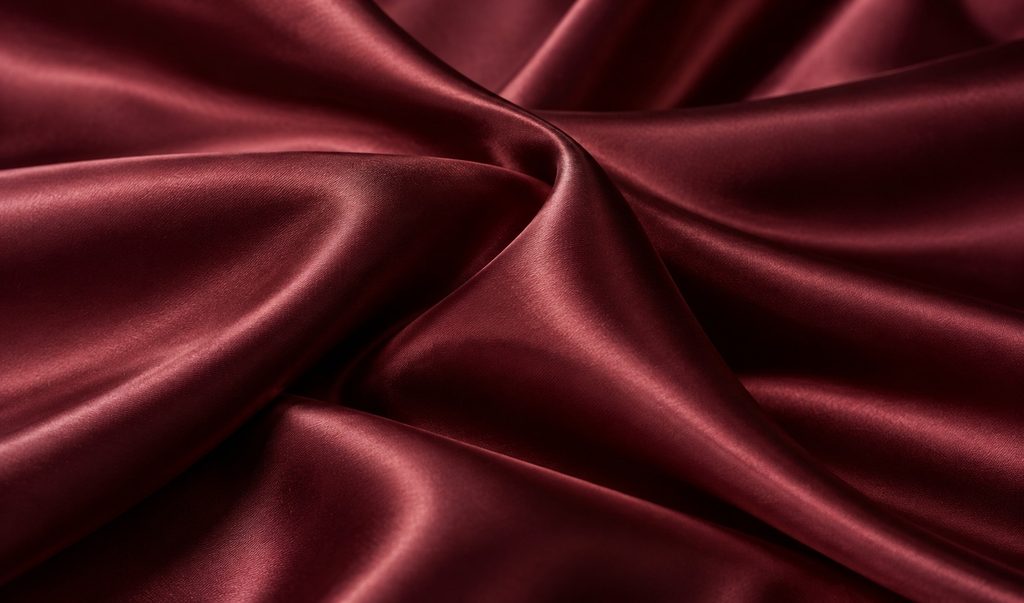
Pale and neutral shades generally require less dye to achieve their finished appearance. Dark and highly saturated shades—such as black, navy, burgundy, chocolate, and deep green—typically require a higher concentration of dye to create their richness and depth.
As a result, color release may be more noticeable when dark silk is exposed to water, while repeated water washing may gradually affect the depth or uniformity of particularly rich shades.
This is separate from the grade of the silk itself. More accurately, the deeper and more saturated the color, the more important both the dyeing process and subsequent care become.
What Else Can Affect the Color of Silk?
Washing is not the only factor that can influence the long-term appearance of silk.
Prolonged exposure to direct sunlight and ultraviolet radiation may gradually affect dyes and alter color. Humidity and perspiration, particularly when combined with warmth and friction, can also change the environment surrounding the silk fibers and dyes.
Skincare products, cosmetics, hair products, and other substances that regularly come into contact with bedding may introduce additional factors affecting color over time.
Long-term color retention is therefore not determined by a single measure. It reflects the combined influence of fabric quality, dyeing and finishing, color characteristics, the surrounding environment, and care.
Why Is Professional Dry Cleaning Recommended?
For luxury pure mulberry silk bedding, professional dry cleaning provides a more appropriate way to preserve both color and fabric quality over time.
Unlike water washing, professional dry cleaning avoids prolonged immersion in water, reducing water-related fiber swelling and dye migration. It also allows silk bedding to be cleaned under more controlled conditions, which is particularly valuable for larger bedding pieces and for dark or highly saturated colors.
Just as cashmere, leather, and other premium natural materials benefit from care suited to their particular characteristics, silk should be maintained in a way that respects the nature of its protein fibers.
This is not because high-quality silk is inherently “fragile,” but because the finer the natural material, the more it benefits from care designed to preserve its best qualities.
Preserving the Beauty of Silk for Longer
When considering silk color fastness, rather than simply asking, “Will high-quality silk fade?” a more useful question is: How can its original color and beauty be preserved for as long as possible?
Premium mulberry silk and carefully controlled dyeing and finishing provide the foundation for high-quality silk bedding. Over years of use, protecting the fabric from excessive sunlight, prolonged moisture, and unsuitable cleaning methods is equally important.
The grade of mulberry silk reflects the quality of the silk fiber itself, while long-term color performance is shaped by the fabric, dyeing process, environment, and care it receives.
For this reason, we recommend professional dry cleaning for pure mulberry silk bed sheets to help preserve the depth and uniformity of their color, while protecting the natural luster, softness, and refined character that make fine silk so distinctive.