
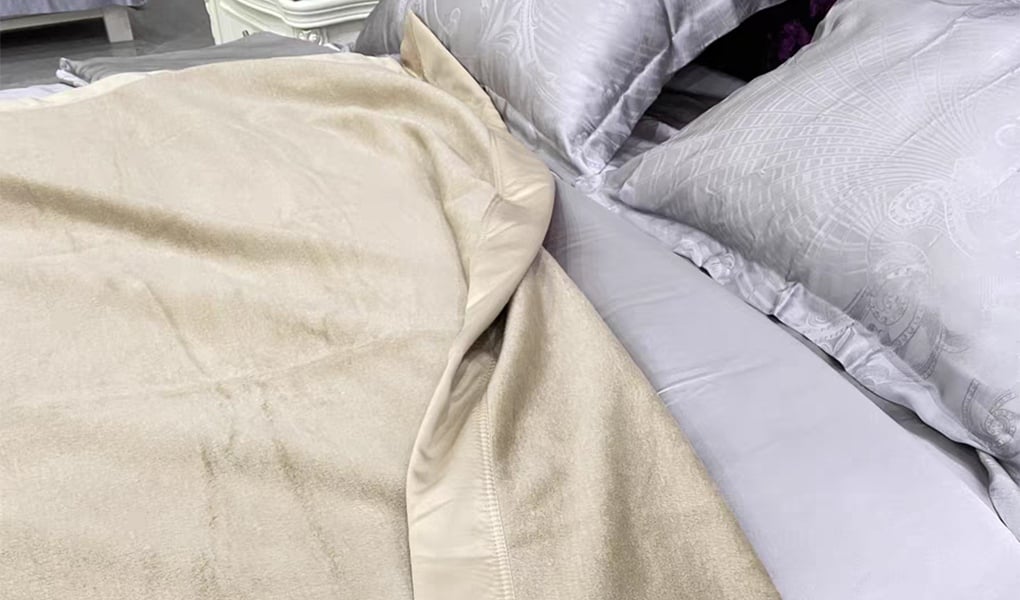
Two popular options, silk blankets and wool materials, possess unique qualities that cater to different preferences when you shop for the perfect blanket. In this article, we will compare silk blankets and wool materials based on their texture, quality, warmth, breathability, price, and maintenance. By exploring these aspects, you can make an informed decision about which option suits you best.
Texture: Silk blankets are renowned for their smooth and luxurious texture. The fabric feels soft and gentle against the skin, providing a delightful sensation. In contrast, wool blankets have a slightly coarse texture due to the natural fibers of wool. Some individuals prefer the silky touch of silk, while others enjoy the cozy and rustic feel of wool.
Quality: Both silk blankets and wool materials are known for their quality, although they differ in certain aspects. Silk is considered a luxurious and delicate fabric, renowned for its strength and lustrous appearance. Wool, on the other hand, is celebrated for its durability and natural resilience to wear and tear. The quality of each material depends on factors such as the source, manufacturing process, and overall craftsmanship.
Warmth: Wool blankets excel in providing exceptional insulation. The natural crimps of wool fibers create air pockets that trap warmth effectively. This makes wool blankets ideal for colder climates or for those who seek a cozy and snug feel during winter. Silk blankets, while still offering warmth, are generally lighter and more breathable, making them suitable for milder climates or for individuals who tend to overheat while sleeping.
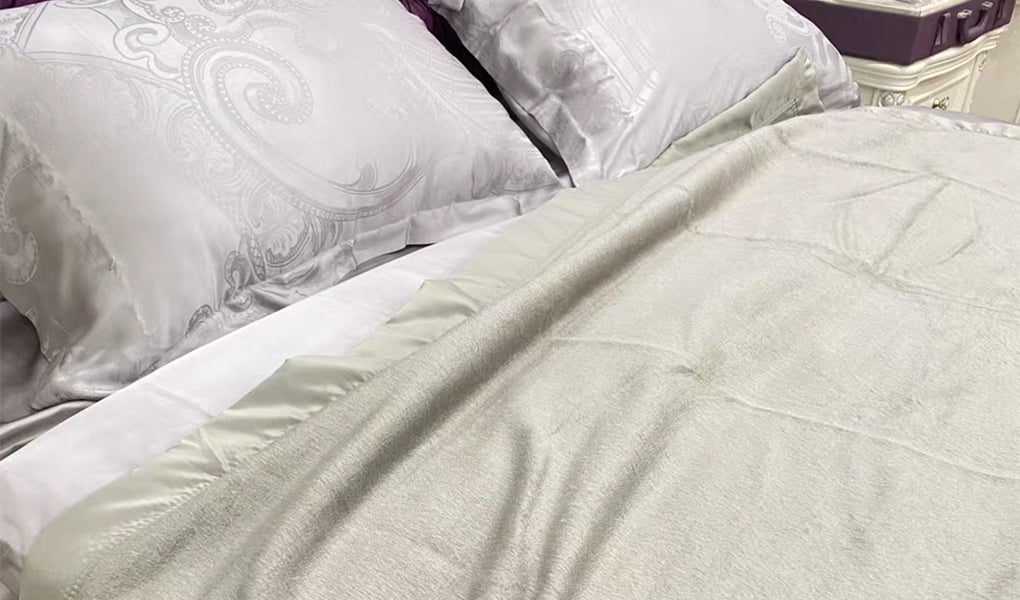
Breathability: Pure silk blankets are renowned for their superior breathability. Silk fibers possess excellent moisture-wicking properties, allowing them to absorb and release moisture, ensuring a cool and dry sleeping experience. This makes silk blankets ideal for individuals experiencing night sweats or those who prefer a cooler sleeping environment. Wool blankets are breathable to a certain extent but may retain more heat due to their insulating properties.
Maintenance Tips: Maintaining the quality and longevity of silk blankets requires delicate care. They should be dry cleaned. Harsh chemicals, excessive agitation, and wringing should be avoided when washing silk. Wool blankets are relatively easier to maintain. They can be machine washed on a gentle cycle using a mild detergent specifically formulated for wool. Air drying wool blankets is advisable to prevent shrinkage.
Price: Price is an important consideration for many consumers. Silk blankets tend to be more expensive than wool materials. The intricate cultivation and extraction process of silk fibers from silkworm cocoons contribute to the higher cost. Wool, being a natural and widely available material, is generally more affordable. However, prices for both types of blankets can vary depending on factors such as brand, quality, and design.
Silk blankets and wool materials offer unique qualities that cater to different preferences. Silk blankets provide a luxurious feel, exceptional breathability, and a delicate texture. On the other hand, wool blankets excel in warmth, durability, and a cozy touch. When making a decision, consider your personal needs, climate, and preferences. By weighing the texture, quality, warmth, breathability, price, and maintenance aspects, you can choose the option that aligns with your requirements.