
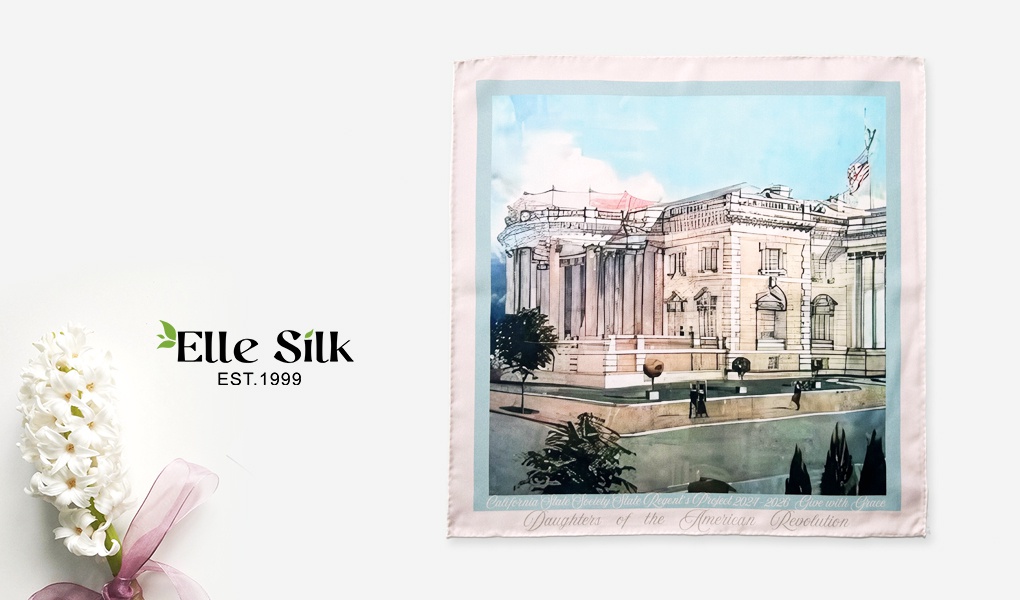
In a recent team planning session, someone asked: “We’re growing together—shouldn’t we find a way to mark that?”
It wasn’t just a slogan. It was a real question.
As an organization reaches its fifth year, completes its tenth program, or sends off a group of key participants—there’s often a need to capture the moment, to preserve a sense of connection before it quietly fades.
The usual approaches often fall short:
Branded merch feels temporary. Commemorative items are rarely used. Photos get archived.
What we’re often looking for is something more intentional—something that is symbolic yet practical, quietly expressive but also lasting.
Why a scarf?
A scarf sits at a unique intersection: it can signal a shared identity without uniformity, and it fits naturally into real-life settings.
It doesn’t loudly declare “I belong to this,” but it offers just enough visual presence to say “we’ve been through something together.”
For organizations built around long-term relationships, values, and community-based growth, a custom scarf becomes a subtle but powerful tool:
- Members choose to wear it—not out of obligation, but because they feel connected
- The design, colors, and texture reflect the organization’s tone and character
- It remains in use after an event ends—woven into participants’ everyday lives
- With repeated use, it becomes part of the organization’s visual language
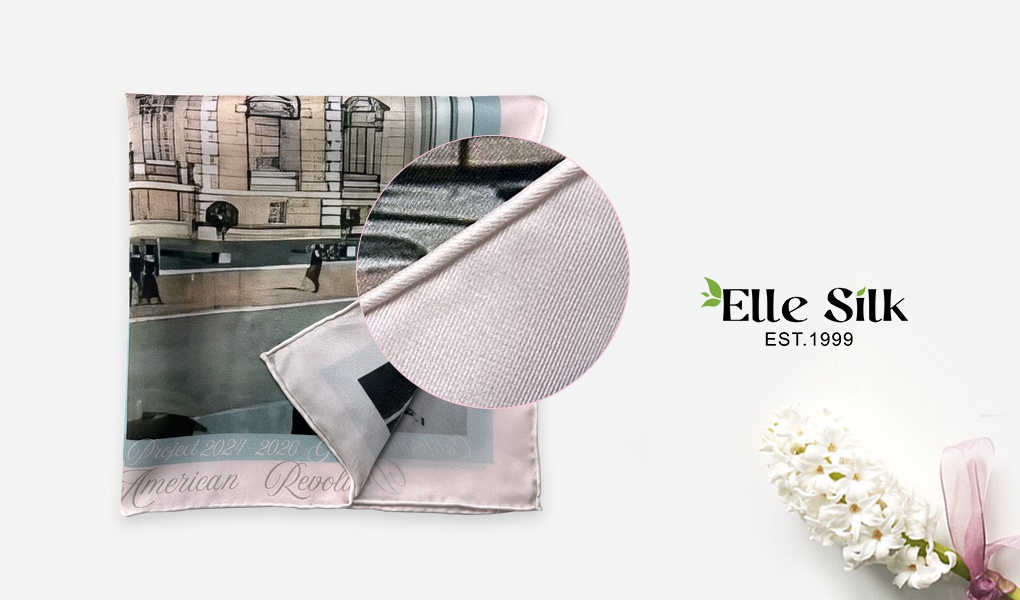
The value isn’t just in the product—it’s in the process
We’ve worked with nonprofits, community-led programs, and cohort-based organizations to create custom scarves.
And what we’ve seen is that the act of designing one becomes a moment of reflection.
Choosing colors, defining symbols, deciding on materials—these aren’t just aesthetic decisions. They force an organization to answer key questions:
- What’s the tone we want to express?
- What elements would our members recognize immediately?
- Is there a phrase, shape, or visual rhythm that captures this phase of our work?
The result may look simple. But behind it is a series of conversations that strengthen the organization’s sense of self.
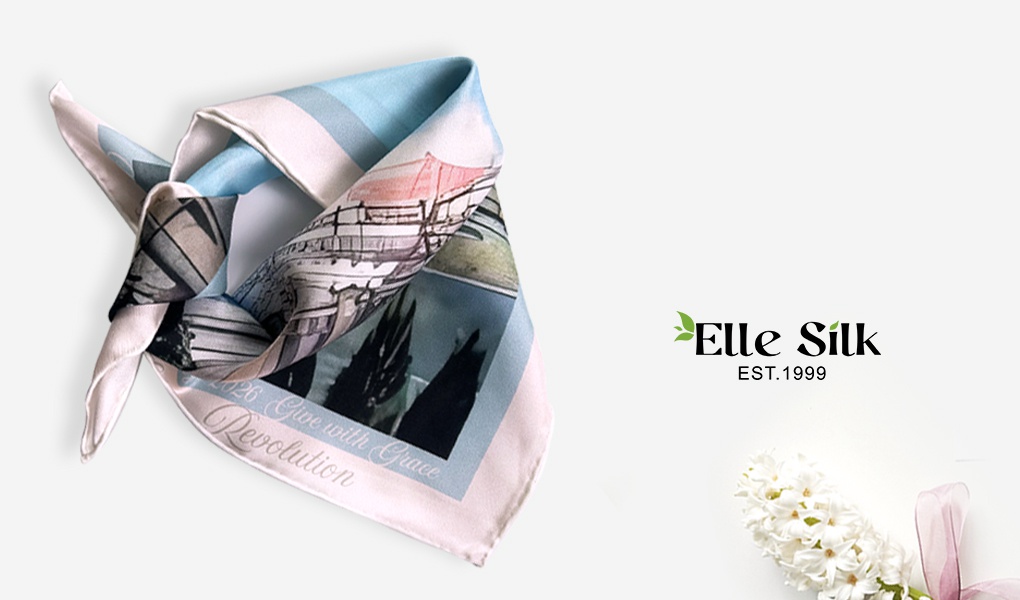
Not a souvenir. A continuation.
A well-designed scarf doesn’t mark the end of a program.
It becomes part of the ongoing relationship between the organization and the people who shaped it.
It’s a quiet confirmation: we were here, together.
It’s a point of recognition when paths cross again.
It’s a soft but lasting expression of shared identity.
Not every organization needs a custom scarf.
But if you’re building something that values shared experience, collective growth, and cultural continuity, it might be the right tool.Not loud. Not disposable.
But memorable—and made to last.