
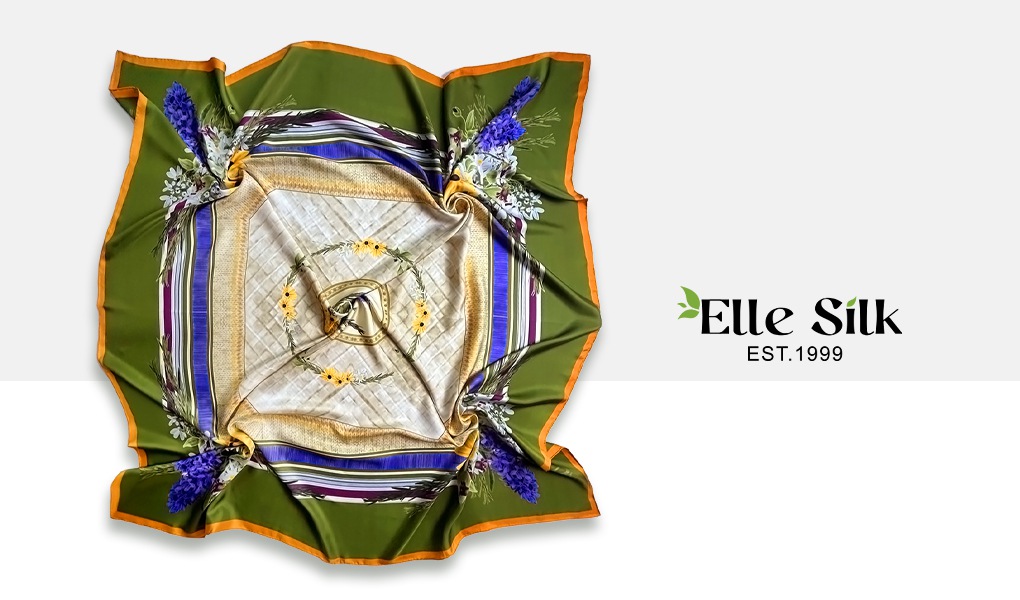
Fashion education is experiencing a quiet, deliberate shift—one that places visual language back at the center of textile design.
At Drexel University’s Honors Program in Fashion Design, it’s no longer rare to see students treat surfaces not as afterthoughts, but as stages for storytelling. Many of them come from hybrid creative backgrounds: they draw, they code structure into knits, they speak in the language of patterns.
They understand that a motif is not mere decoration—it’s rhythm, memory, and intent woven into fabric.
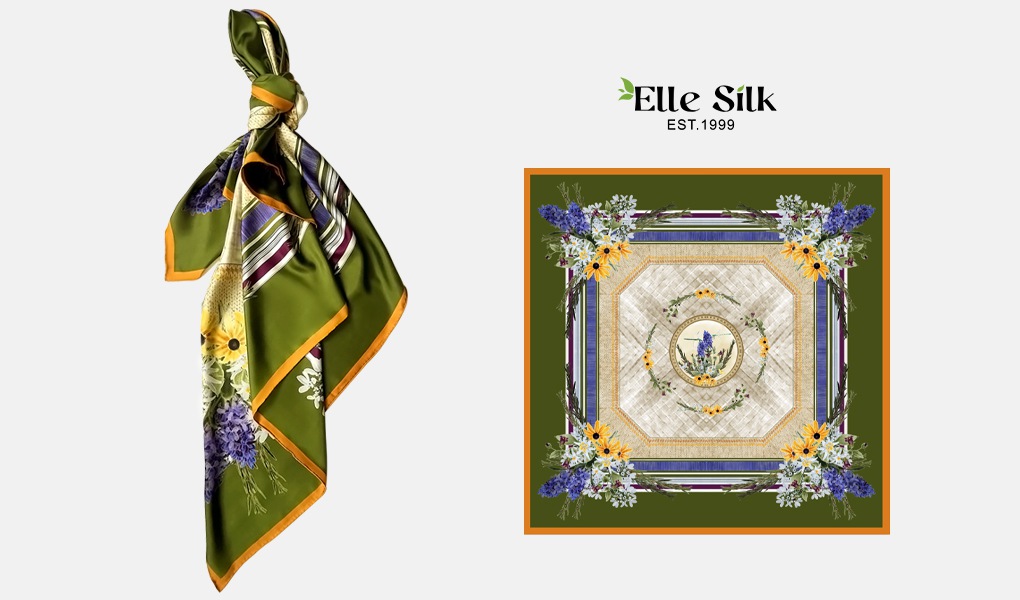
Not all prints are made to stay in lookbooks.
As emerging designers step into exhibitions, competitions, and critique panels, a new question keeps rising beneath the surface:
“How can I represent my design identity when I’m not wearing my full collection?”
Silk scarves, once considered the token accessory of European refinement, are now being quietly reclaimed as personal canvases.
Not mass-market merch.
Not logo-charged product.
But a distilled artifact of a creator’s visual world—intimate, wearable, and alive.
In recent showcases, several students have turned their pattern projects into small-batch scarves, folded quietly on the side of a mannequin, or worn wrapped around the wrist, neck, or hair. They weren’t labeled or explained. But they sparked questions:
“Is that part of the collection?”
“Can I get one?”
The answer: not always.
Because many of these scarves aren’t for sale.
They’re not commercial—they’re conversational.
A piece of work that moves with the body and lingers in memory longer than any Instagram carousel.
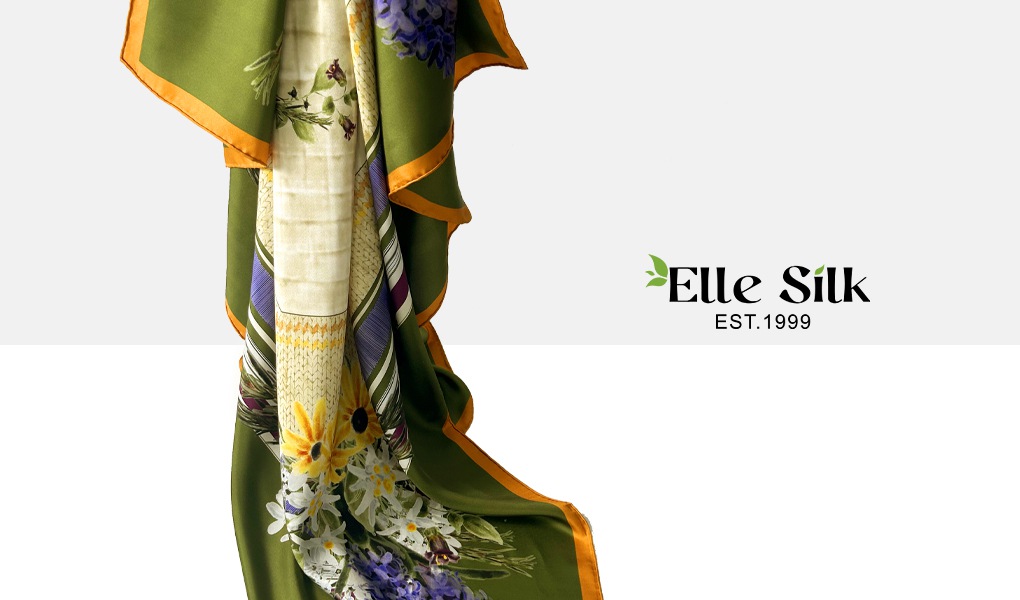
Why scarves?
Because they float.
Because they’re intimate.
Because they say something without shouting.
Unlike a page in a portfolio, a scarf isn’t static.
Unlike a T-shirt, it isn’t loud.
A scarf lives in the folds, in the in-between.
It becomes a wearable excerpt of a thesis, a side note that demands attention.
As more designers seek custom scarf production for their final projects, portfolios, and capsule exhibitions, they’re discovering something unexpected:
A scarf can be more than a by-product.
It can be a micro-curation.
A textile relic of process, emotion, and identity.
The best ones are not simply reprints of digital files, but re-composed visuals—refined layouts, edited palettes, consciously placed repetitions. They resemble wearable lithographs more than fashion accessories.
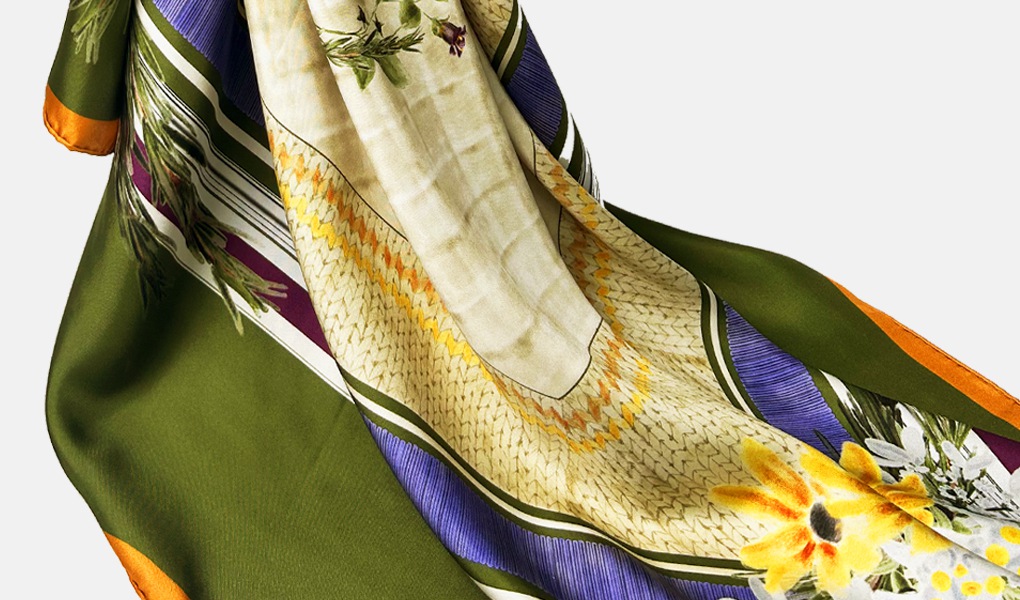
Custom scarves aren’t products. They’re proposals.
They propose a new way of archiving illustration.
A way of saying, “Here’s my language, scaled down to something you can touch.”
And while they may never hang in stores, they will drape across conversations—folded into pockets, tied onto bags, remembered long after the show.Because in the end, a custom scarf is not about trend.
It’s about presence.
It’s about seeing a designer’s mind, rendered in ink and fabric, and letting it move with you.