
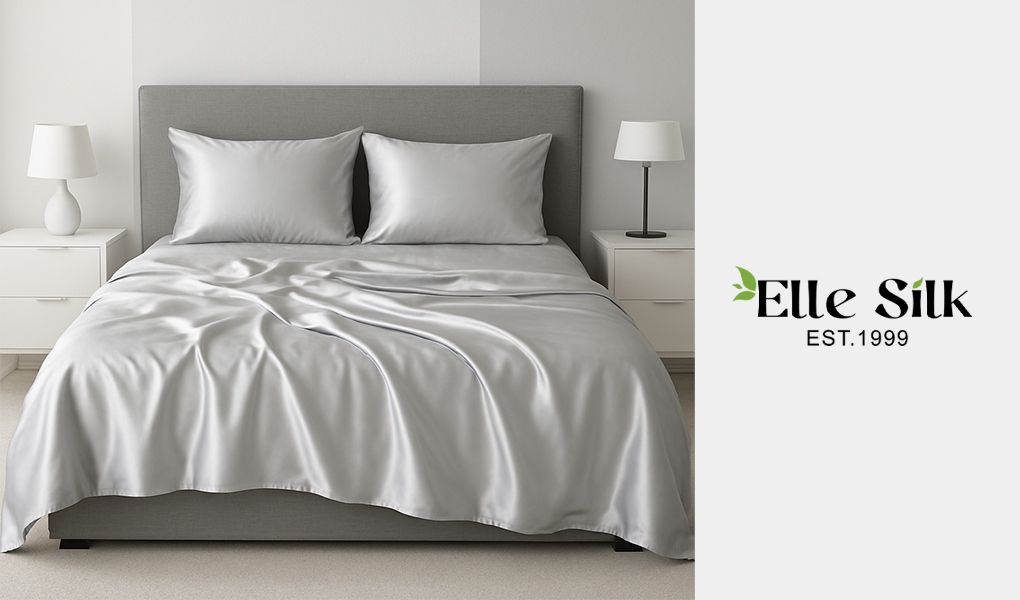
Pure silk sheets are treasured for their natural sheen and smooth feel. Yet in daily use or home washing, many people notice that the sheets no longer look shiny, or they discover snags and sometimes even pilling. From a professional laundry-care perspective, these are not signs of poor quality. They are natural outcomes of how delicate silk fibers respond to washing and everyday friction.
Snags: In most cases, caused by sharp contact
Silk filaments are extremely fine. In the majority of snag cases, the fabric has come into contact with something sharp or rough. This does not always mean needles or pins; sharp contact can include the buttons, zippers, or decorative trims on other garments.
The best solution is to wash silk bed sheets separately. Do not mix them with other clothes or fabrics. By keeping them isolated, you virtually eliminate the chance of snagging.
Loss of sheen: two main reasons
Silk’s shine comes from its natural protein structure. Two common factors can damage this structure and reduce the glow:
- Water temperature too high
Even temperatures above 30°C (86°F) can break down the protein molecules in silk. While many know to use cool water, cold water is even safer for maintaining silk’s luster. - Washing too frequently
Silk fibers are about one-fifth the thickness of cotton. This is why they feel so soft and smooth, but also why they are sensitive to over-washing. Frequent laundering reduces sheen, stiffens the fabric, and can even cause fiber breakage. Unless there are visible stains, mulberry silk sheets do not need the same wash frequency as cotton.

Pilling: why it can happen, especially at the foot area
Although silk generally does not pill, certain conditions can make it possible. Excessive friction against rough surfaces (like coarse linens, zippers, or buttons) can break the outer fibers. Those broken ends remain on the surface and, under repeated rubbing, twist into tiny balls.
Why the foot area is most affected:
- Friction is most frequent there. Turning in sleep and kicking covers create repeated contact. Rough heels or dry skin accelerate wear.
- Pressure is concentrated. Foot movements are localized to a small area, meaning more stress than other parts of the body.
- The environment is harsher. Feet perspire more, and sweat contains salts that weaken silk fibers, making them more fragile under friction.
A simple tip is to keep feet clean and smooth before sleep to reduce friction damage.
A final note from the expert
Silk’s delicacy is not a weakness but the very reason it offers such unmatched smoothness and glow. Snags, loss of sheen, or occasional pilling are results of use and care, not of poor quality.
When you give pure silk sheets their own wash, avoid heat, and minimize friction, they will continue to provide something unique: the purest, most cloud-like sleep experience. Caring for silk is not a burden—it is a small ritual that transforms bedtime into a moment of luxury.