
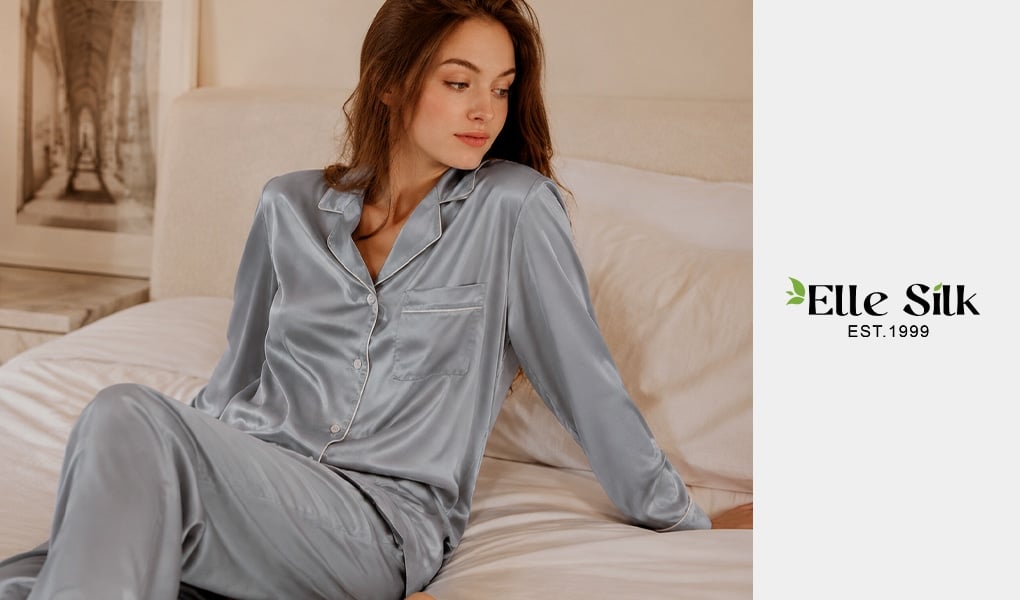
High-grade silk pajamas require controlled cleaning conditions. Mulberry silk is a continuous protein filament primarily composed of fibroin, and its wet-state strength decreases compared with dry fibers. During washing, the combination of moisture, friction, heat, and chemical exposure determines whether the fabric maintains its original surface, elasticity, and shape.
For premium silk sleepwear, especially 22 momme and above, cleaning is not simply stain removal. It is the preservation of fiber structure, dye stability, and garment construction.
Identify the Silk Before Washing
The washing tolerance of silk depends on more than fiber content. Fabric weight, weave, dye method, and garment construction all affect how the silk pajama set should be treated.
Momme (mm), the weight measurement of silk fabric, is one important indicator. Lightweight silk around 16–19 momme has a softer and more fluid structure but is more vulnerable to abrasion and deformation. Higher-density silk, such as 22–30 momme, generally provides better durability because of increased fiber density, although the protein structure remains sensitive to harsh chemicals and mechanical stress.
Bias-cut designs, silk satin weaves, hand-finished seams, and decorative trims require additional attention because excess water weight can alter the garment shape during drying.
Water Temperature and Washing Environment
Keep water temperature below 30°C (86°F).
Heat accelerates fiber swelling and can affect silk’s molecular structure, while repeated exposure to high temperatures may contribute to shrinkage and surface changes.
Water quality also matters. Hard water contains calcium and magnesium ions that can leave mineral deposits on delicate fibers, gradually reducing surface smoothness. For valuable silk pieces, filtered or softened water provides a cleaner washing environment.
Detergent Selection: Chemistry Matters
Silk should never be washed with conventional laundry detergent.
Many standard detergents contain protease enzymes, which are designed to break down protein-based stains. Since silk fibroin is itself a protein structure, enzyme-based formulas may weaken the fiber over time.
Avoid:
- Protease enzymes
- Optical brighteners
- Chlorine bleach
- Strong alkaline cleaners
A suitable silk detergent should maintain a neutral chemical environment, ideally around pH 6.5–7.5, with a formulation designed specifically for protein fibers.
Hand Washing: Minimize Mechanical Stress
If the care label allows hand washing, the objective is to reduce friction rather than aggressively clean the fabric.
Submerge the garment in cool water with silk-safe detergent and gently move the water through the fabric. Do not scrub collars, cuffs, or stained areas with force. Wet silk fibers are more vulnerable to abrasion, and repeated rubbing can damage the smooth filament surface.
After rinsing, remove excess water using a press-drying method:
Place the garment flat between clean white cotton towels and gently press to absorb moisture.
Do not twist or wring. Mechanical tension on wet silk can distort the filament structure and create permanent creasing or surface irregularities.
Drying and Shape Preservation
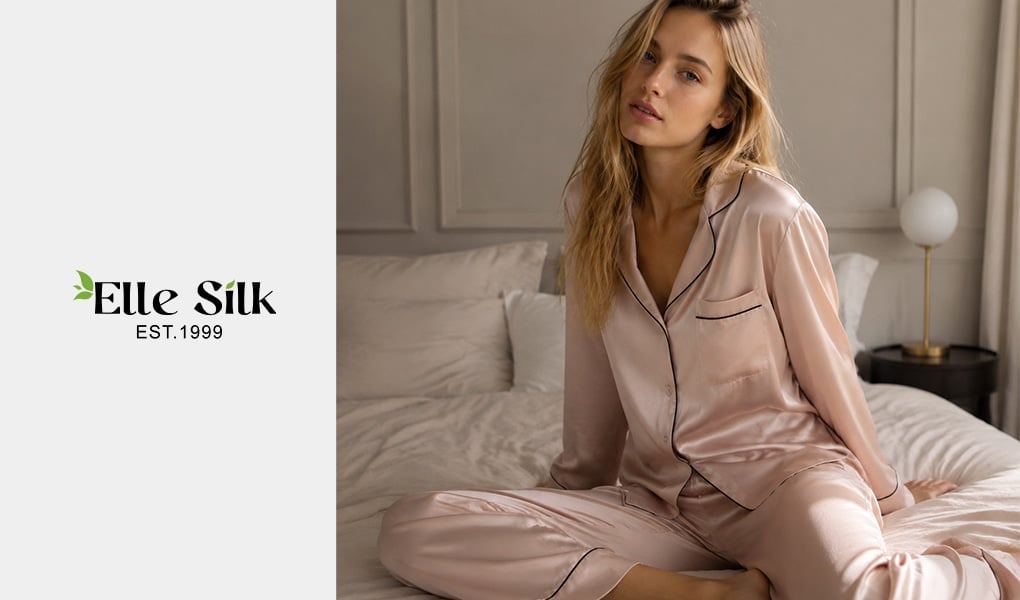
Silk should be dried flat in a shaded, ventilated area.
Avoid:
- Tumble dryers
- Direct sunlight
- Heavy hanging while wet
Wet silk carries additional weight, and hanging a saturated garment can stretch shoulders, seams, and bias-cut sections.
After washing, reshape the garment while damp and allow it to dry naturally. Ultraviolet exposure should be minimized because prolonged sunlight can accelerate color fading and protein degradation.
Ironing and Steam Care
Silk responds better to controlled moisture and gentle heat than direct high-temperature ironing.
If ironing is required:
- Turn the garment inside out.
- Use a silk setting below approximately 110°C (230°F).
- Iron while slightly damp.
- Use a pressing cloth when necessary.
Steam is usually a safer option, but the nozzle should not be pressed directly against the fabric surface.
When Professional Cleaning Is Recommended
Professional cleaning becomes important when garment value, construction, or fabric condition requires preservation beyond basic washing.
Specialists evaluate:
- Silk grade and density
- Dye stability
- Fiber condition
- Stain composition
- Garment construction
Luxury silk pajamas often combine delicate fabrics with precise tailoring. The cleaning process must protect not only the silk fiber but also the shape, finishing details, and original appearance of the garment.
Storage Between Wears
Store silk pajamas in a cool, dry environment away from direct sunlight.
Fold lightweight silk garments rather than leaving them on hangers for extended periods. Use breathable garment bags instead of sealed plastic covers to avoid moisture accumulation.
Before seasonal storage, ensure the garment is completely clean. Residual body oils and cosmetic ingredients can oxidize over time and become difficult to remove later.