
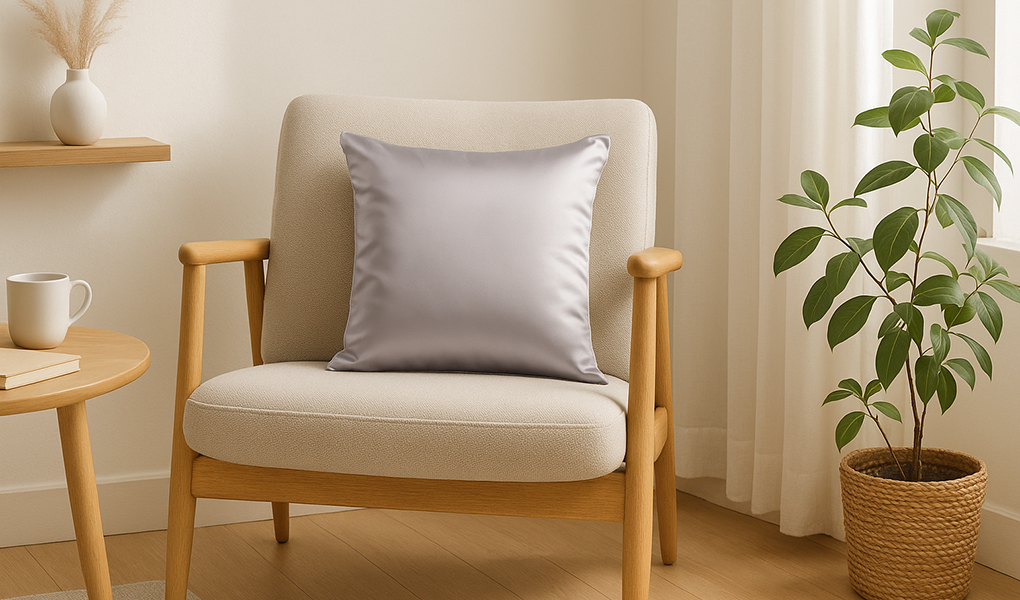
A few days ago, I came across a short reel online. An elderly couple living in the suburbs was welcoming their grandchildren for the weekend. One by one, the kids arrived — some dragging small suitcases, others clutching toys. A little girl carried a silk pillow in her arms. The grandfather waited at the door with open arms, while the grandmother was baking cookies in a softly lit kitchen.
There was nothing dramatic about the scene — just an ordinary family evening. Yet it lingered in my mind. It captured the quiet essence of what sleepovers mean in American life: not simply a night away from home, but a gentle ritual of comfort and belonging.
A Tradition of Warmth and Continuity
In the U.S., sleepovers are almost a rite of passage: For children, it’s the thrill of independence — the first night spent away from home; For parents and grandparents, it’s a gesture of trust, a way of passing down warmth and care.
Once upon a time, sleepovers were loud and chaotic — popcorn, movies, whispered laughter, and bedtimes that never quite arrived. Today, they’ve quietly evolved. Adults are reclaiming the idea, reshaping it into something slower, softer, and more intentional — a weekend spent with friends, a family night that stretches into morning, or simply an evening that doesn’t have to end.
It’s not so much about “staying over” as it is about “slowing down.”

The Things We Bring for Comfort
In that short film, what stayed with me were the things the children brought — their pillows, blankets, stuffed animals. That silk pillow in the little girl’s arms wasn’t just an object; it was a small piece of home.
We all have our own versions of such comfort. Some bring a book, others a candle or a favorite pair of socks. These small, familiar items — soft, personal, unassuming — allow us to recreate a sense of home wherever we go. They remind us that comfort is not a place; it’s something we carry within reach.
The New Meaning of Sleepover
In a world that moves too quickly, the sleepover feels like an act of resistance — an invitation to pause.
It teaches us how to rest in unfamiliar spaces, how to feel at ease in someone else’s home, how to be close without needing words.
Among adults, a sleepover can feel quietly restorative: friends cooking dinner together, watching a film, waking up to shared coffee and morning light; Or perhaps it’s simply staying over at someone’s place for no reason other than to slow down life’s tempo.
That’s the beauty of the sleepover — it’s a soft kind of connection, a shared stillness; It reminds us that “home” has never been just a location; It’s the feeling of being welcomed — and allowed to rest.