
Why are bespoke silk scarves becoming the go-to item for modern institutional gifting?
In an age where tote bags, reusable water bottles, and enamel pins dominate the swag tables of conferences, summits, and cultural events, it’s easy to forget that gifting was once an art. Not just a branding exercise, but a gesture of refinement—thoughtful, tactile, and long-lasting.
Lately, though, a quiet rebellion is underway. From design festivals in Copenhagen to municipal receptions in Montréal, one item is making an elegant comeback: the custom silk scarf.
Silk scarves, once the province of couture houses and vintage collectors, are finding new relevance in the world of institutional gifting. But these aren’t mass-produced accessories with hasty logos slapped on. The new wave of bespoke silk scarves tells stories. They’re infused with graphic narratives—local architecture, cultural motifs, seasonal palettes—and are made to be worn, kept, and remembered.
A custom scarf gift says something different than a branded mug ever could. It’s intimate without being personal, luxurious without being excessive. And unlike most merch, it doesn’t get left in a hotel drawer.
The Rise of Wearable Identity
For institutions—be they city governments, biennales, cultural foundations, or even corporate hosts—personalized scarves for events offer a rare blend of aesthetics and meaning. A scarf can act as a visual map of a city’s identity. Think linework inspired by metro systems, patterns drawn from archival posters, or colorways referencing local flora.
“The scarf is a canvas, but it’s also a performance,” says one creative director behind a recent custom scarf project for a European arts council. “It lets institutions offer a design object that people will actually wear. It’s branding through beauty, not repetition.”
This shift reflects a broader fatigue with traditional “corporate gifts.” Premium notebooks and USB drives no longer feel premium. By contrast, a silk scarf—a piece of wearable branding—offers something the receiver might put on the next day, or hang on their wall.
Scarves as Soft Power
From diplomatic exchanges to design summits, gifting is as much about message as it is about material. In this context, luxury event souvenirs need to operate at a higher frequency. They must feel intentional.
The best bespoke scarves for gifting are collaborative. Institutions are increasingly partnering with illustrators, local artists, or design studios to create limited-edition scarf collections tied to a theme or event. The result: a gift that is collectible, not consumable.
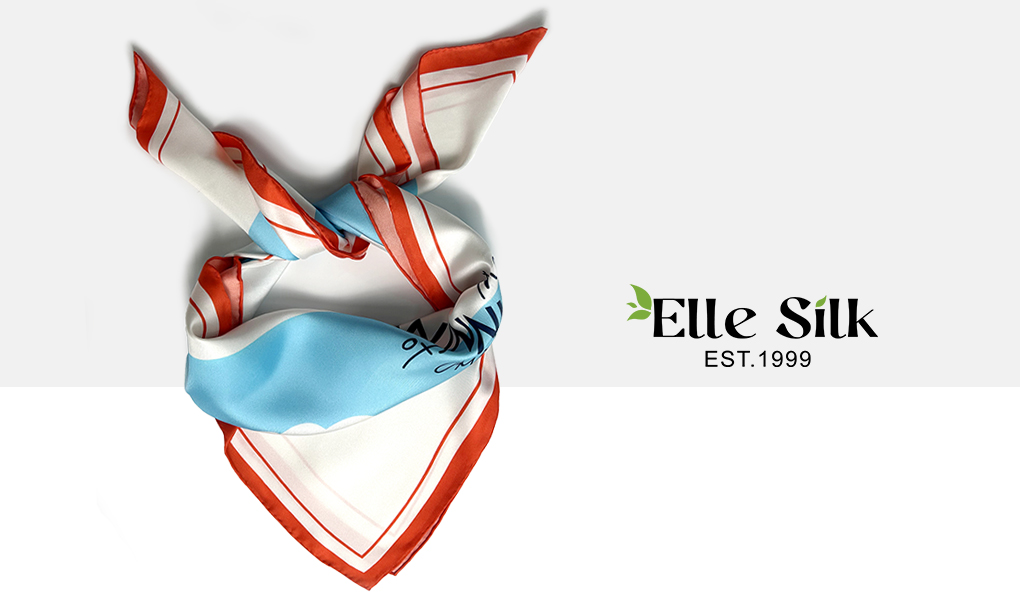
What’s even more notable is how many of today’s custom scarf projects are intentionally moving away from overt branding. Gone are the days of oversized logos plastered across the center. Instead, the new language of identity is quieter, more embedded. A story might be tucked into the border stitching; a color palette might reference a landmark or landscape known only to insiders. The goal is not to shout, but to stay—with elegance.
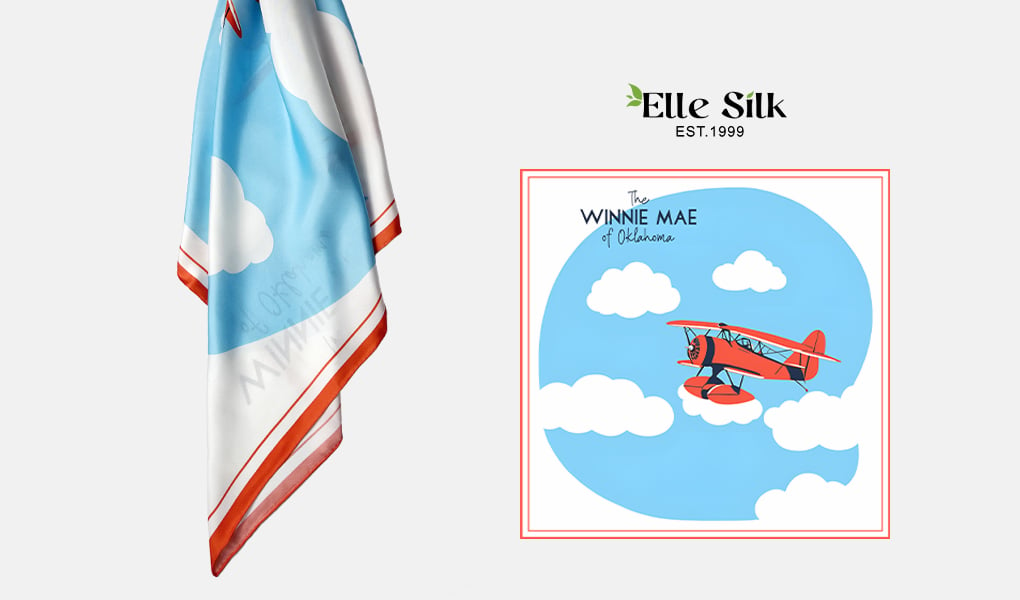
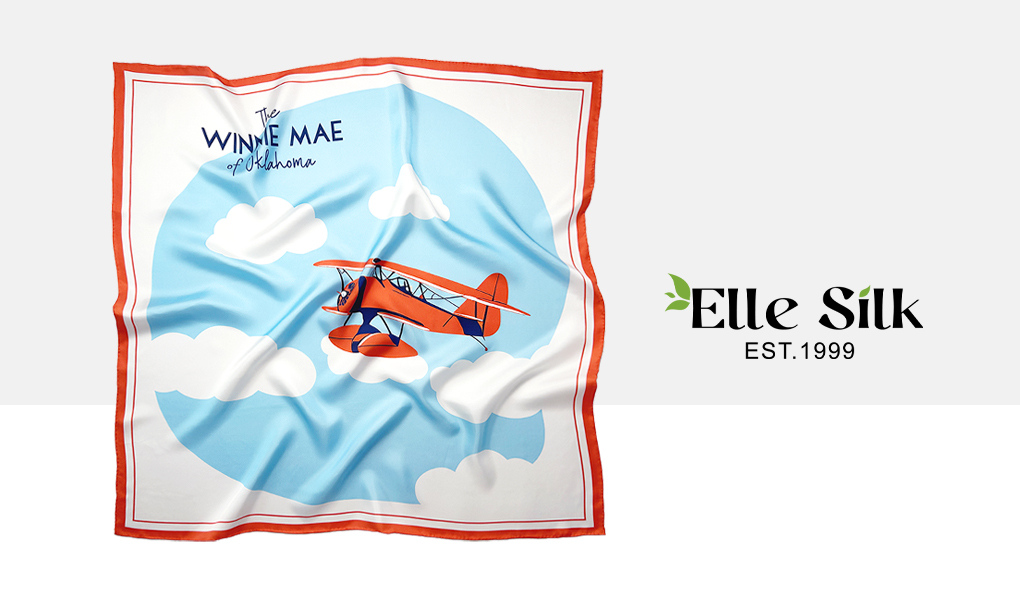
This shift toward subtlety and storytelling is redefining what high-end institutional gifting looks like. A scarf can become a design artifact in its own right. One notable example: a limited-edition silk scarf inspired by the Winnie Mae aircraft, now housed in the Smithsonian National Air and Space Museum in Washington, D.C. With its understated pattern and historical motifs, it functioned not just as a gift, but as a tribute—honoring legacy while remaining wearable.
ElleSilk is now at the forefront of this evolution, offering custom silk scarves that merge artistry and intent. By working with cultural institutions, city-based designers, and event curators, they’re turning identity into something tactile—folded, worn, remembered.
In today’s world of gifting, subtlety isn’t a limitation. It’s a refined decision.
A Gesture That Lasts
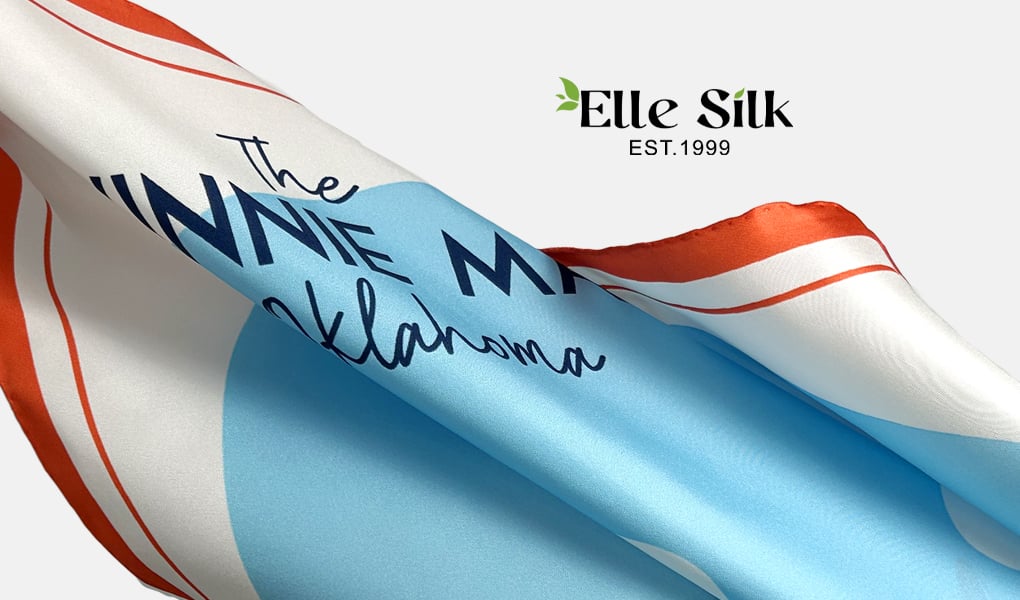
What makes a custom silk scarf compelling isn’t just how it’s presented—but how it stays. Long after the closing speech and farewell cocktail, it doesn’t vanish into a drawer. It lingers—looped through a handbag, framed above a desk, or passed along with a story attached.
In a sea of items designed to be forgotten, these scarves quietly resist. They’re proof that a gift doesn’t need to be loud to be lasting. It only needs to be intentional.
Because some stories are best told in silk.