
In the nonprofit world, event giveaways are often treated as an afterthought.
They’re ordered late in the planning process, justified under “donor appreciation,” and distributed with good intentions. But if we’re honest, most of them don’t survive beyond the evening. They are photographed, packed, and eventually forgotten.
As we prepared for our March 25 charity event this year, we asked a harder question:
If our mission is about long-term impact, why do so many elements of our events feel disposable?
This question led us to rethink the role of the event gift altogether.
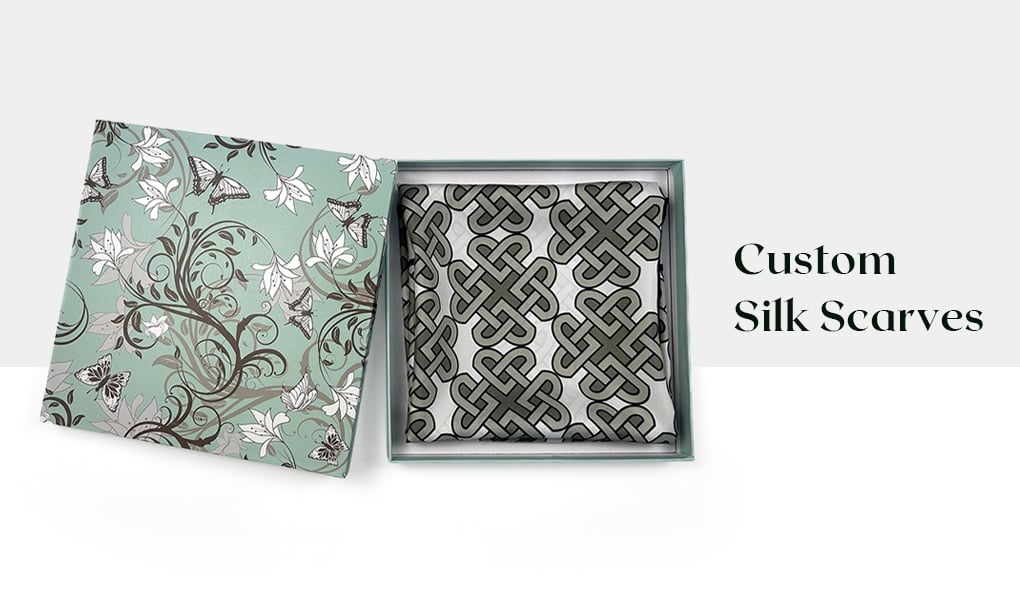
Instead of selecting something purely functional or promotional, we chose to create a custom scarf. Not as merchandise. Not as branded swag. But as a mission-aligned object.
Moving Away from Performative Giving
There is increasing skepticism in nonprofit spaces about performative gestures – whether in corporate partnerships, social media campaigns, or event branding. Audiences are perceptive. They can tell when something exists for optics rather than substance.
We didn’t want a giveaway that signaled generosity while quietly contributing to waste.
So we approached the scarf as a design challenge:
- Can this object exist beyond the event?
- Can it hold aesthetic value independent of our logo?
- Can it reflect our mission without visually shouting it?
If the answer to any of those was no, we would not proceed.
Why a Scarf?
Unlike highly functional items, a scarf occupies an interesting space. It is expressive rather than utilitarian. It becomes part of someone’s wardrobe, which means it enters daily life – not as a reminder forced upon them, but as something they choose to wear.
That distinction matters.
When donors integrate an object into their lives voluntarily, it transforms from a souvenir into a form of quiet affiliation. It signals alignment, not obligation.
The Importance of Custom Design
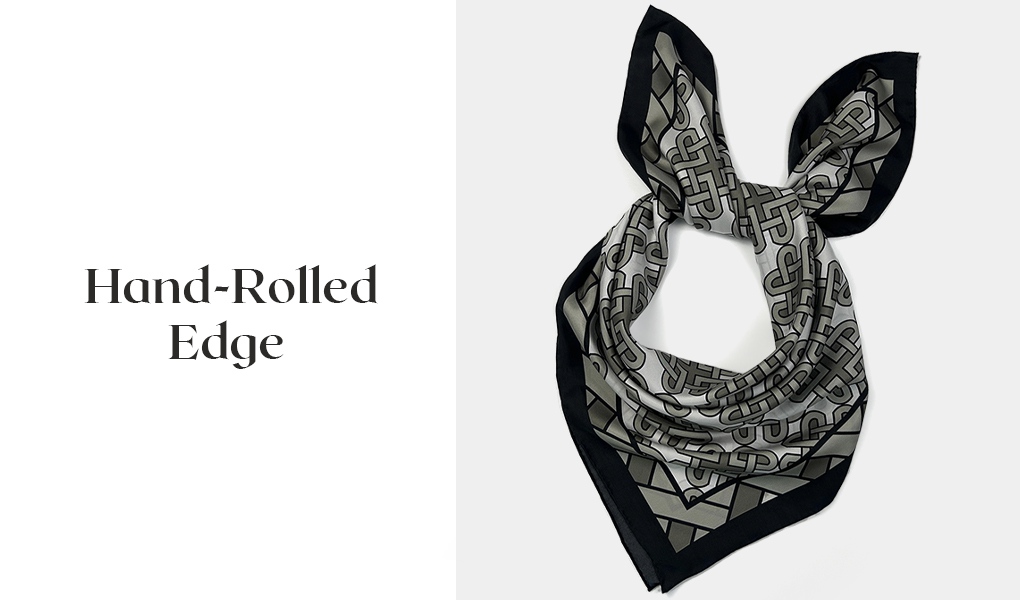
The decision to custom scarf the pattern was essential.
Printing a logo onto an existing textile would have reduced the gesture to branding. Instead, we translated our core themes—connection, resilience, interdependence—into abstract visual language. The design does not explicitly narrate our cause, yet it is rooted in it.
For our audiences, especially those attentive to ethical storytelling, subtlety is not weakness. It is credibility.
A mission should inform design, not dominate it.
Sustainability and Integrity
Of course, aesthetics alone are not enough. In our context, any physical object must pass ethical scrutiny:
- Is the fabric responsibly sourced?
- Is the production process transparent?
- Is the quantity aligned with actual need?
- Does this align with our stated sustainability commitments?
If the product contradicted our environmental values, the symbolism would collapse.
In that sense, the scarf is less about luxury and more about coherence. It reflects our belief that impact includes how we operate, not just what we fund.
A Small Object, A Larger Question
The deeper issue is not whether organizations should choose scarves.
It is whether we are willing to treat every touchpoint – especially physical ones – as extensions of our mission.
In a time when donors are increasingly discerning, and when performative activism is quickly exposed, design choices carry ethical weight.
A well-considered object can extend a narrative. A careless one can undermine it.
If our events are meant to embody our values, then even something as seemingly simple as a custom scarf deserves strategic thought.
Not because it is fashionable, but because alignment builds trust.