
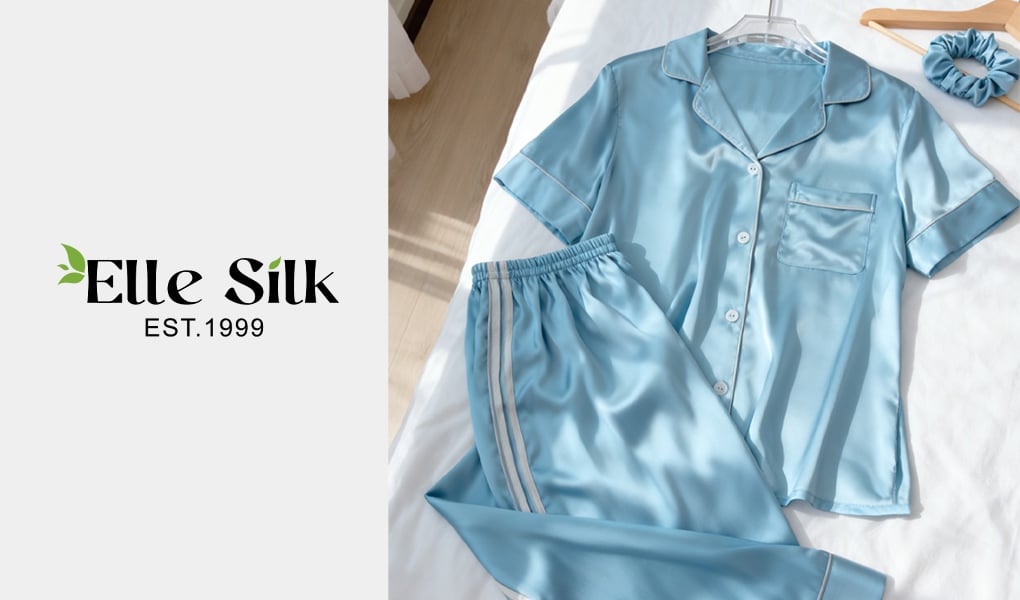
When I was diagnosed with fibromyalgia, I expected to rethink my diet. My supplements. My exercise routine.
I didn’t expect to rethink my pajamas.
But chronic pain has a way of turning small things into big ones. Fabric that never used to bother me suddenly felt abrasive. Waistbands left pressure marks that lingered. Some nights I’d wake up not because of pain exactly, but because something just felt “off” against my skin.
If you live with fibro, you probably know that feeling — your nervous system is already running hot. It doesn’t take much to tip it further.
For a long time I ignored it. Sleepwear didn’t seem like a serious variable. I focused on the “medical” solutions instead.
Eventually I started paying attention to patterns. On nights when I felt overheated or restless, I was usually wearing synthetic blends. Even some soft cotton sets didn’t breathe the way I needed them to. I’d fall asleep fine, then wake up sweaty and irritated at 2 or 3am.
Out of mild frustration more than optimism, I tried a 100% silk pajama set.
I didn’t expect it to make a difference.
It did.
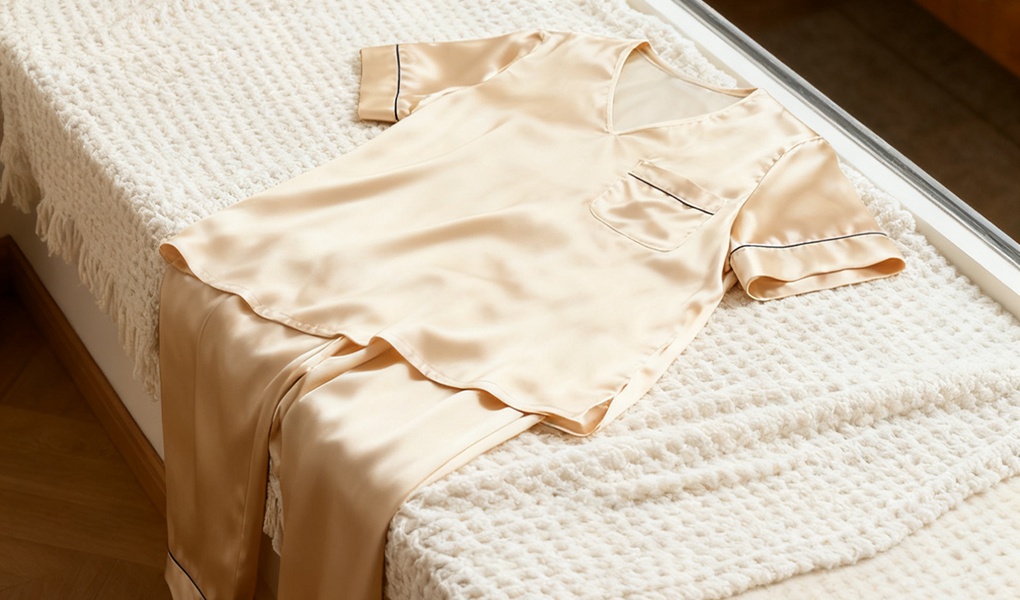
The first thing I noticed was how little I noticed it. The fabric didn’t drag when I turned over. It didn’t bunch under my hips. It didn’t cling when I got warm. My body temperature felt more stable through the night, which for me is significant — overheating can trigger a flare.
Silk is naturally temperature-regulating and low-friction. I’d heard that before, but experiencing it with a pain-sensitive body is different from reading about it.
To be clear, this didn’t “fix” my fibromyalgia. I still have bad days. I still manage pain carefully. But my sleep became a little more consistent, and the number of nights I woke up feeling overstimulated by fabric dropped noticeably.
That’s not dramatic. It’s not a miracle story.
It’s just one less stressor.
And when you live with a chronic condition, reducing small stressors adds up.
I used to think silk pajamas were indulgent. Now I think of them as practical. If something touches my skin for eight hours, it makes sense to choose the least irritating option I can find.
If you struggle with:
- skin sensitivity
- temperature swings at night
- unexplained restlessness
- flare-ups that seem worse after poor sleep
it might be worth experimenting with your sleep environment, not just your medication routine.
It’s a small adjustment, but sometimes small adjustments are the most sustainable ones.