
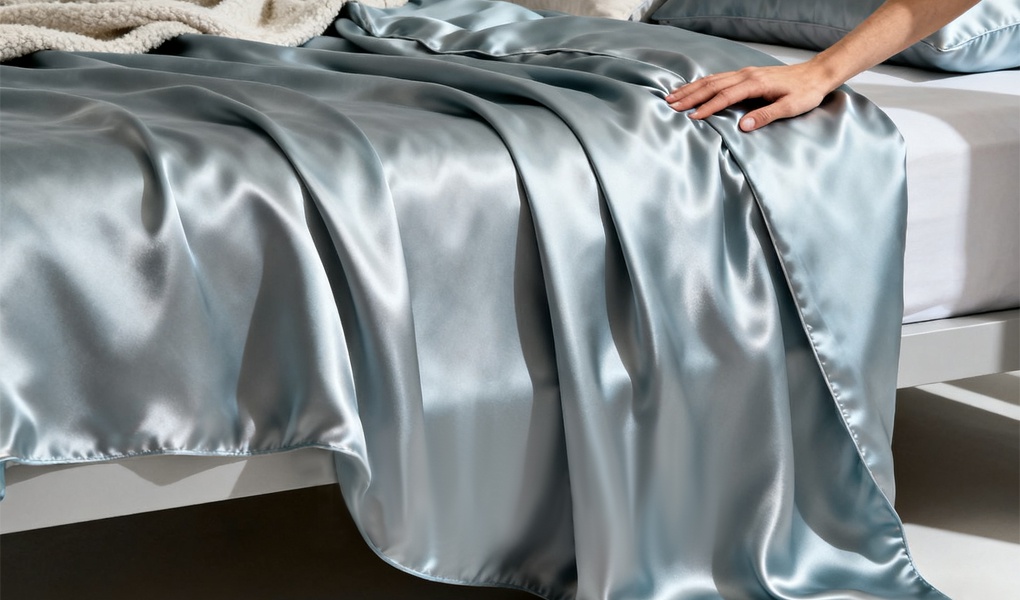
Thread count is frequently seen as a crucial measure of quality when it comes to luxurious fabrics such as silk. However, understanding the relationship between thread count and silk quality requires a closer examination. In this article, we will decode thread count for silk, shedding light on its significance and how it relates to the overall quality of silk fabric.
What is Thread Count? Thread count refers to the number of threads woven together in one square inch of fabric. It is typically represented as two numbers, indicating the number of vertical (warp) threads and horizontal (weft) threads per inch. For example, a thread count of 400 would mean 200 vertical threads and 200 horizontal threads per inch.
Thread Count and Silk Quality: Contrary to popular belief, when it comes to silk, a higher thread count does not necessarily equate to better quality. Silk is inherently different from other fabrics like cotton, where higher thread counts often indicate softer and more durable fabric. The quality of silk is determined by various factors, and thread count is just one aspect.
Factors Influencing Silk Quality:
- Silk Type: Different types of silk, such as Charmeuse, Crepe de Chine, and Mulberry silk, have distinct characteristics and textures. The quality of the silk itself, including its origin and production process, plays a significant role in determining its overall quality.
- Fiber Quality: The quality of silk fibers used in weaving the fabric greatly affects its durability, luster, and overall feel. Long, fine, and uniform silk fibers are generally considered superior and result in a smoother, more luxurious fabric.
- Weave Type: The weave type used in silk production contributes to its texture, strength, and breathability. Common weave types include satin, twill, and plain weave. Each weave offers unique characteristics, and the choice depends on the desired outcome of the fabric.
- Finishing Processes: Additional finishing processes, such as degumming, dyeing, and washing, can significantly impact the silk’s final quality. These processes can enhance the silk’s luster, colorfastness, and overall handfeel.
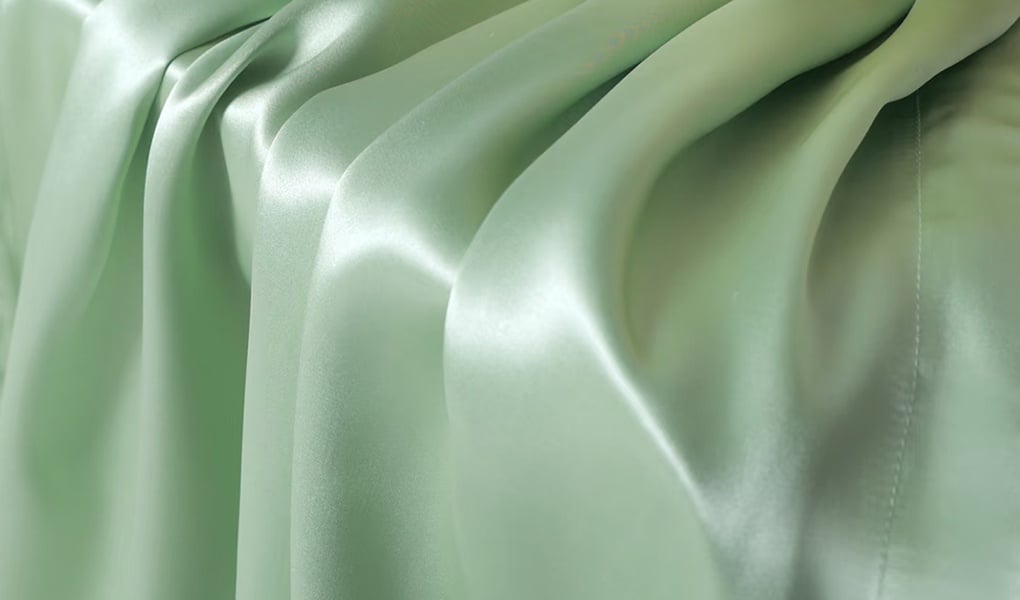
Understanding Thread Count in Silk: In silk fabric, a moderate thread count is often preferred to achieve a balance between durability and softness. Generally, a thread count ranging from 300 to 600 is considered suitable for silk, providing a smooth and luxurious feel without compromising strength. However, it’s essential to note that silk with a lower thread count can still be of excellent quality if other factors like fiber quality and finishing processes are exceptional.
While thread count is a commonly referenced metric in fabric quality, understanding its significance in the context of silk requires a nuanced approach. When it comes to silk, the overall quality of the fabric is influenced by multiple factors such as silk type, fiber quality, weave type, and finishing processes. While a moderate thread count can provide a good balance between softness and durability, it is essential to consider these other factors to assess the true quality of silk fabric. By decoding the relationship between thread count and silk quality, consumers can make informed choices when selecting luxurious silk products.